
Telehealth Login

|

Best MAT Program near Westminster, Colorado

The physical effects of drug addiction often require medication to help reduce the physical and mental withdrawal symptoms of drug addiction. A medication-assisted treatment (MAT) program near Westminster, Colorado allows patients to begin working on their recovery immediately instead of waiting seven to 21 days for their withdrawal symptoms to diminish. Discover how a medication-assisted treatment program near Westminster can help your addiction recovery at Colorado Medication Assisted Recovery.

Our addiction treatment center specializes in medication-assisted treatment along with behavioral therapy for a whole-person approach to treating your addiction. We help patients who are ready to make a change in their lives while still keeping up with life responsibilities through our outpatient and telehealth services. If you or a loved one is struggling with addiction, call 833.448.0127 today to speak with our friendly staff about our MAT program near Westminster, Colorado.

What Is a MAT Program?

Medication-assisted treatment or MAT program is a form of addiction treatment that uses FDA-approved medications to block fast-acting opioids and alcohol from releasing dopamine, the neurotransmitter responsible for making you feel pleasure. Currently, there are several types of medications proven to help with addiction, including:

  • Buprenorphine
  • Suboxone
  • Naltrexone
  • Methadone

A medication-assisted treatment program will use one or multiple medications to get you the most benefits for your addiction recovery. Medical staff will monitor your progress throughout the program to minimize side effects and reduce the risk of forming an addiction to the medication.

Colorado Medication Assisted Recovery offers the best medication-assisted treatment program near Westminster, Colorado. Our medical staff and behavioral therapists will work together to create the most effective addiction treatment plan for your individual symptoms. They will help make you safe and comfortable while working on your recovery.

How Can a Medication-Assisted Treatment Program Benefit You?

If you are struggling with addiction and have tried quitting on your own, you understand how difficult it can be to get through the physical withdrawal symptoms. The difficulty in quitting makes many men and women feel helpless against their growing cravings. When they give in, they are at risk of overdose and death if they use the same amount without regard to their reduced tolerance.

A medication-assisted treatment program reduces the severity of your withdrawal symptoms so you can focus on your recovery. Patients who receive medication through an addiction treatment program and behavioral therapy form healthy coping skills that will help them maintain their sobriety. Other benefits of a medication-assisted treatment program include:

  • Controls cravings and withdrawal symptoms for a safer detox
  • Significantly decreases the risk of death by overdose
  • Improves the patient’s desire and ability to continue treatment
  • Decreases risky behavior that is associated with drug abuse
  • Improves chances of finding/maintaining employment
  • Work on rebuilding broken relationships

A MAT program near Westminster, Colorado, allows patients to continue their work and personal lives while working on their addiction recovery. When you begin your treatment program, your current physical and mental state, plus the seriousness of addiction, will determine the best form of treatment for you.

Colorado Medication Assisted Recovery Offers the Best MAT Program near Westminster, Colorado

At Colorado Medication Assisted Recovery, we give Colorado residents relief from their withdrawal symptoms through our MAT program. To keep our patients from relapsing, we closely monitor their progress and update any medication accordingly. As you improve, your reliance on the medications will diminish until you no longer need it to maintain your sobriety.

Along with our medication-assisted treatment, your treatment program may include:

  • Cognitive-behavioral therapy
  • Dialectical behavior therapy
  • Group and individual therapy
  • Neurofeedback therapy
  • Family counseling
  • Case management and peer support

For the best MAT program near Westminster, Colorado to help with your addiction, call 833.448.0127 today to learn more about our medication-assisted treatment program near Westminster, Colorado.

Buprenorphine Treatment Available near Thornton, CO

Opioid addiction in the U.S. is still a major problem, with a recent increase in opioid addiction cases reported. In Colorado, opioid overdose deaths rose 38% in 2020. To help residents get through the painful withdrawal symptoms from opioid addiction, a buprenorphine treatment program in Thornton can help. Buprenorphine treatment near Thornton, CO can give patients the help they need to successfully complete their addiction recovery.

At Colorado Medication Assisted Recovery, we provide medication-assisted treatment for patients whose withdrawal symptoms prevent them from quitting drugs or alcohol. Our private addiction treatment programs can help you with all aspects of addiction. We will help you reduce physical withdrawal symptoms and help patients understand the cause of their addiction. If you or someone you love is struggling with opioid addiction, call 833.448.0127 today to learn more about our buprenorphine treatment program in Thornton.

What Is Medication-Assisted Treatment?

Medication-assisted treatment (MAT) helps patients detox from drugs and alcohol using FDA-approved medications. MAT programs can give patients the help they need to safely get through detoxing with fewer chances of relapse. Medical professionals will administer medication at an addiction treatment facility through a residential or outpatient program. For patients whose withdrawal symptoms are not as severe, outpatient or ambulatory detox is available.

One of the medications commonly used in treating opioid addiction is buprenorphine, a partial opioid agonist for the treatment of acute and chronic pain and opioid use disorder. Buprenorphine attaches to the mu-opioid receptors and blocks the release of dopamine and other endorphins that are responsible for the euphoric feeling. Patients can wean themselves off opioids slowly and safely while they progress through a detox program that includes behavioral therapy.

Since buprenorphine is an opioid, there is a risk of addiction along with other side effects, which include:

  • Respiratory distress
  • Low blood pressure
  • Sleepiness
  • Constipation
  • Seizures
  • Headaches
  • Dry mouth
  • Fever
  • Nausea
  • Vomiting

There are multiple ways that you can take buprenorphine. Medical professionals will administer buprenorphine through injection, under the tongue (sublingual), cheek (buccal), or through a patch or implant. Typically, buprenorphine is combined with naloxone, an opioid antagonist, to further help patients with withdrawal symptoms and reduce cravings. Subutex is the brand name of buprenorphine, and you can get buprenorphine with naloxone under the brand name Suboxone.

During your medication-assisted treatment program, medical staff will administer buprenorphine at a treatment facility or sober home and monitor your progress. As your withdrawal symptoms diminish, so will your medication. At Colorado Medication Assisted Recovery, our goal is for you to be drug-free, not replace one drug with another.

Benefits of Buprenorphine Medication-Assisted Treatment

Buprenorphine is a partial opioid agonist and is the preferred medication for opioid use disorder as it reduces the euphoria that makes heroin and other opioids so popular. Without the same high, patients will feel less of a need for the drug and slowly reduce their cravings.

Other benefits of buprenorphine medication-assisted treatment include:

  • Improves patient survival rate
  • Increases retention in addiction treatment
  • Better chances at gaining and keeping employment
  • Improved birth rates

Choose Colorado Medication Assisted Recovery for Buprenorphine Treatment Program in Thornton

At Colorado Medication Assisted Recovery, we provide medication-assisted treatment to help reduce withdrawal symptoms so patients can work on their addiction recovery. Medical professionals will administer buprenorphine and other FDA-approved medications at our facility or a sober home through our telehealth and ambulatory detox services. Our treatment programs can help you with all forms of addiction, including addictions to:

  • Alcohol
  • Heroin
  • Opioids
  • Opiates
  • Percocet
  • Oxycontin

To help you or a loved one who is struggling with drug or alcohol addiction, call 833.448.0127 for more information about our buprenorphine treatment program in Thornton.

Suboxone Clinic Available near Broomfield, CO

Suboxone is a prescription medication that helps with substance abuse and opioid use disorders. Opioid addiction rates continue to increase each year, with Colorado seeing a 38% increase in opioid overdose deaths since 2019. A Suboxone clinic can help Colorado residents with their opioid addiction and reduce their risk of relapse and overdose. A Suboxone clinic near Broomfield, CO, can help you with your opioid addiction with medication-assisted treatment.

At Colorado Medication Assisted Recovery, we offer Suboxone medication-assisted treatment for those who are struggling with opioid addiction. While you go through detox, you will begin working on the mental aspect of addiction. Group and individual therapy sessions will help you learn your triggers and develop healthy coping skills that will help you maintain your sobriety for life. If you or a loved one is struggling with opioid addiction, call 833.448.0127 today to learn more about our Suboxone clinic near Broomfield.

What Is Suboxone?

Suboxone is a prescription medication made from partial opioid agonists buprenorphine and naloxone that help reduce opioid withdrawal symptoms. Suboxone can also help curb your cravings for your substance of choice and allow you to keep up with your work or family commitments. Because Suboxone is an opioid, there is a small risk of forming an addiction. Patients who follow their prescription precisely and don’t stop Suboxone suddenly will have minimal side effects.

Suboxone medication-assisted treatment is best for patients who:

  • Have an addiction to heroin or prescription opioids
  • Able to take medication at regularly scheduled times
  • Can abstain from drugs or alcohol during the program
  • Are committed to recovery and want to be sober
  • Are not pregnant or breastfeeding during treatment

The side effects of a Suboxone medication-assisted treatment include:

  • Nausea
  • Vomiting
  • Insomnia
  • Constipation
  • Swelling in the arms and legs
  • Sweating
  • Pain or burning sensation in the tongue

Some patients may feel more severe withdrawal symptoms depending on the severity of their addiction. Worsening physical side effects include liver failure, low blood pressure while standing, and overdose or death when misused.

Enrolling in a Suboxone Medication-Assisted Treatment

When you enroll in a Suboxone clinic, medical professionals will evaluate your condition and form a treatment plan that includes Suboxone and other FDA-approved medications. Medical staff will determine the best medications for your addiction recovery. Medical professionals will administer medication at a Suboxone clinic near Broomfield or at your work or sober home environment.

Your progress will be monitored for any adverse reactions and ensure you receive the maximum benefit from your medication-assisted treatment program. As you progress through the program, they will update your medication as your withdrawal symptoms decline. The goal of Suboxone medication-assisted treatment is for you to be drug-free and not simply swap one drug for another.

As part of your Suboxone medication-assisted treatment, behavioral therapy is necessary to complete your addiction treatment.

Choose Colorado Medication Assisted Recovery for Your Suboxone Clinic near Broomfield

At Colorado Medication Assisted Recovery, we specialize in all forms of drug and alcohol addiction. Our medical staff will evaluate your current condition and severity of addiction in our discreet and private treatment facility. They will develop a Suboxone medication-assisted treatment program to help reduce your opioid withdrawal symptoms. As you progress through the program, therapists will work with you through group and individual therapy to help identify your triggers and the root cause behind your addiction. Your addiction treatment program may include:

  • Cognitive-behavioral therapy
  • Dialectical behavior therapy
  • Group and individual therapy
  • Family therapy
  • Case management
  • Peer support

When you or a loved one needs Suboxone medication-assisted treatment for addiction recovery, call 833.448.0127 today to speak with our caring staff about our Suboxone clinic near Broomfield, CO.

Ambulatory Detox near Broomfield, Colorado

Colorado ranks 9th for the highest addiction rates in the country. Since addiction does not affect each person the same, treating addiction can be very complicated. Ambulatory detox in Broomfield can help patients who do not need 24/7 care to get control of their addiction. An ambulatory detox program near Broomfield, Colorado, has outpatient and at-home options available to assist with all levels of addiction.

At Colorado Medication Assisted Recovery, we offer ambulatory detox in Broomfield through our online, telehealth, and outpatient programs. If you cannot take time off from work or family commitments and have not gone through detox before, ambulatory detox can be your best option for treatment. If you or a loved one needs help with their addiction, call 833.448.0127 today to speak with our friendly staff about our ambulatory detox program near Broomfield, Colorado.

What Is Ambulatory Detox?

Ambulatory detox can help patients who do not need a residential treatment program for their level of addiction. When withdrawal symptoms are not that severe and there are no underlying mental health issues driving the addiction, medical professionals can monitor your progress and administer medication at home or through an outpatient treatment program.

Outpatient detox in Broomfield is for patients with a stable and sober home environment that they can return to in the evening while receiving behavioral therapy in group and individual settings. An outpatient program typically follows a residential program as part of continuing addiction therapy for more severe cases of addiction.

Ambulatory detox in Broomfield also includes at-home options for those who do not need an outpatient program or have progressed to an at-home care option. Medical staff will come to you regularly and evaluate your progress, administer medication, and make any adjustments/recommendations regarding your care.

Other requirements for ambulatory detox include:

  • No history of mental health issues
  • No previous detox sessions
  • Ability to listen and follow instructions independently
  • Have a sober home environment

The Right Outpatient Detox in Broomfield for You

Your addiction treatment starts with your desire to stop letting your addiction continue to destroy your life and the lives of those around you. There are several outpatient treatment programs available depending on the level of care you require.

  • Partial hospitalization program (PHP) – PHP generally follows a residential program. You attend group and individual therapy 20-40 hours a week, where you will continue your behavioral therapy and practice your coping skills with others in your group. In the evening, you go home and return in the morning for a set amount of days or months.
  • Intensive outpatient program (IOP) – As you begin to gain more confidence in your abilities to maintain your sobriety, the amount of time you spend in therapy each day will diminish. IOP has you sending most of your day and evening at home or work, and you continue your addiction recovery through day, evening, or weekend sessions for 10-20 hours per week.
  • Outpatient program – This level of care provides patients with therapy sessions on an as-needed basis or 2-10 hours a week. Patients can continue to work with therapists and others in the group as long as necessary to maintain their sobriety.

Colorado Medication Assisted Recovery’s Ambulatory Detox in Broomfield

At Colorado Medication Assisted Recovery, we can help you with your addiction recovery through our medication-assisted treatment, telehealth, outpatient, and ambulatory detox programs. Our goal is to feel comfortable with your ability to maintain your sobriety and will continue to help you as long as you need it. Our addiction treatment programs can help with all types of addiction, including:

  • Alcohol addiction
  • Opioid and opiate addiction
  • Prescription drug addiction
  • Heroin addiction

If you or a friend needs help with their addiction, call 833.448.0127 today to learn more about ambulatory detox in Broomfield.

Vivitrol Clinic Available near Thornton, Colorado

Drugs and alcohol can cause severe withdrawal symptoms and cravings that can be overpowering. You might feel that you need to continue to use these substances despite knowing the harm you are causing to yourself and others.

A Vivitrol clinic in Thornton can help you with medication-assisted treatment that includes Vivitrol and other FDA-approved drugs.

At Colorado Medication Assisted Recovery, our medical staff can administer Vivitrol and other drugs to reduce your cravings and some of the painful withdrawal symptoms that addiction creates. As part of our outpatient and telehealth services, a Vivitrol treatment program may benefit your level of addiction.

Choose Colorado Medication-Assisted Recovery for Your Vivitrol Clinic in Thornton

At Colorado Medication Assisted Recovery, our treatment facility near Thornton, CO, can give you the help you need in recovering from alcohol or opioid addiction.

Professional medical staff will administer and monitor your medication-assisted treatment as necessary and is a part of all of our treatment programs:

Vivitrol Clinic Available near Thornton, Colorado

What Is Vivitrol?

Vivitrol is one of the brand names for naltrexone, a non-opioid medication that blocks opioid receptors in the body. It is an extended-release intramuscular injection given once a month by a medical professional to help stop your cravings and the euphoric feeling you get from alcohol and opioids.

Vivitrol has proven to be very beneficial for alcohol use disorder and opioid addiction when combined with behavioral therapy.

Vivitrol works by binding with the opioid receptors in your body and blocks the euphoric feelings that opioids and alcohol can produce. It will also stop the cravings that push you to continue to abuse your substance of choice beyond healthy limits. Without the cravings, you will no longer feel the need to continue using.

Some patients may experience minor side effects from Vivitrol, which may include:

  • Headache
  • Nausea
  • Stomach pain
  • Dizziness
  • Anxiety

Patients with a history of liver disease or hepatitis should not take Vivitrol as it can cause liver damage. If you take Vivitrol with opioids still in your system, you may experience:

  • Hallucinations
  • Blurred vision
  • Confusion
  • Anxiety
  • Severe vomiting and diarrhea

Benefits of Using Vivitrol in a Medication-Assisted Treatment Program

Benefits of Using Vivitrol in a Medication-Assisted Treatment Program

Vivitrol is one of the newer medications that the FDA has approved for treating alcohol and opioid use disorders. It is not an opioid agonist, like methadone or buprenorphine, and has little risk of abuse.

If you drink while taking Vivitrol for alcohol use disorder, it will block the euphoric effects that alcohol can produce. Without the heightened experience, your body will stop craving the substance as it can no longer provide the euphoric feeling it is expecting.

For opioid addiction, Vivitrol binds with the opioid receptors and completely blocks any release of dopamine or other endorphins. It blocks other opioids from binding with the receptors, canceling any of the high effects opioids can produce.

Other benefits of taking Vivitrol will include:

  • The once-a-month shot is administered by a medical professional, reducing the chances of missing medication
  • Long-lasting effects that last for one month
  • Naltrexone is not an opioid, so there is zero risk of abuse
  • Little to no side effects
  • Non-addictive

3 Benefits of Committing to a Naltrexone Treatment Program

Naltrexone is beneficial in helping with alcohol use disorder and opioid withdrawal. The benefits of naltrexone are evident as you go through detoxing and feel the relief from your cravings and allow you to focus on your recovery. A naltrexone treatment program allows you to continue with your addiction recovery until the cravings are no longer intolerable. If you have tried quitting drugs or alcohol in the past and failed, a naltrexone treatment program can give you the assistance you need to succeed in breaking your addiction.

At Colorado Medication Assisted Recovery, our medication-assisted treatment (MAT) program will reduce your withdrawal symptoms and curb your cravings, giving you a chance to get through your detox and continue with your addiction recovery. If you or a loved one is struggling with alcohol or opioid addiction and is ready to commit to their recovery, call 833.448.0127 today to learn more about the benefits of naltrexone and medication-assisted treatment.

How Does Naltrexone Help with Addiction Recovery?

Naltrexone is an FDA-approved non-opioid treatment medication used for alcohol use disorder and opioid addiction. It is non-addictive and does not create withdrawal symptoms like other partial or full agonist medications like methadone and buprenorphine. Naltrexone binds with the opioid receptors and diminishes your cravings, and blocks the euphoric effects of alcohol and opioids.

There are two methods of taking naltrexone: a pill form taken once a day and is beneficial for alcohol use disorder. And an extended-release intramuscular injection is given once a month for alcohol and opioid addiction. Currently, only the injection is FDA-approved for medication-assisted treatment programs.

3 Benefits of Naltrexone Treatment Programs

If you have struggled with alcohol or opioid addiction and tried to quit alone, you understand how your cravings can be overpowering and force you to continue despite knowing the harm you are causing. Naltrexone and other FDA-approved drugs are beneficial for use in a medication-assisted treatment program for their ability to block cravings and reduce withdrawal symptoms. Three benefits of naltrexone that will help with your addiction recovery include:

  1. Blocks euphoric feelings – Many patients cannot resist the euphoric high and pleasurable feelings that substance abuse creates. This is why despite being harmful to you physically, some patients are unable to resist. Naltrexone blocks the release of dopamine, so you do not feel its effects.
  2. Eliminates cravings – Since naltrexone blocks opioid receptors, there is no euphoric feeling and therefore no cravings for alcohol or opioids, reducing the risk of relapsing.
  3. Reduces intoxicating feelings – Naltrexone binds with opioid receptors for an extended period of time. If you drink while taking Naltrexone, you will not feel buzzed or drunk as the naltrexone prohibits the release of the chemicals responsible for making you feel high.

Your naltrexone treatment program will coincide with behavioral therapy programs as a medical professional will administer the naltrexone and other FDA-approved drugs. The goal of any MAT program is not to replace one drug with another but to get you off of drugs and alcohol completely.

Call Colorado Medication Assisted Recovery Today to Discover all the Benefits of Naltrexone for Your Addiction Recovery

At Colorado Medication Assisted Recovery, we use medication-assisted treatment alongside behavioral and mental health therapy to help you with your addiction recovery. We offer a wide range of programs that include:

  • Medication-assisted treatment
  • Online and outpatient treatment programs
  • Individual and group therapy
  • Family counseling
  • Recovery support services
  • Behavioral and mental health assessments

Once you can focus on your recovery and not worry about the painful withdrawal symptoms, you will find it easier to understand your addiction and develop healthy coping skills that you will use throughout your life to maintain your sobriety. If you are ready to regain control of your life from addiction, call 833.448.0127 today to learn about the benefits of naltrexone and how committing to a naltrexone treatment program can help you break free from your addiction.

Finding a Reliable MAT Program in Thornton, Colorado

Addiction is a serious disease that affects millions of Americans every year. The withdrawal symptoms that addiction creates can cause serious pain and lead to relapsing with a higher risk of overdosing. Medication-assisted therapy or MAT in Thornton, Colorado, can help reduce the painful withdrawal symptoms and allow you to focus on your addiction recovery. If you seek medication-assisted treatment in Thornton, Colorado, visit Colorado Medication Assisted Recovery for your addiction treatment with MAT.

Our MAT program coincides with other treatment programs to give you the best chance at lifelong recovery. Our medical staff will monitor your progress and update your medication accordingly. If you or a loved one is struggling with drug or alcohol addiction, call 833.448.0127 today to learn more about our medication-assisted treatment program.

What Is Medication-Assisted Treatment?

Medication-assisted treatment (MAT) is useful in treating addiction with FDA-approved drugs that counteract the euphoric feelings of opioids and reduce all or some of the painful side effects of withdrawal. MAT will coincide with other therapy programs that will help you better understand your addiction and how it can take over your life.

Your addiction treatment therapy may include:

  • Cognitive-behavioral therapy
  • Dialectical behavior therapy
  • Individual and group therapy
  • Family counseling
  • Psychodynamic therapy
  • EMDR therapy

FDA-Approved Drugs Used in MAT

Since some of these drugs are partial or full opiate antagonists, there is a chance of abuse. MAT is closely monitored by medical personnel while you complete your addiction therapy programs. Some medications used include:

  • Buprenorphine: This is a partial opioid agonist used in treating opioid addiction and can help reduce pain common with addiction withdrawal. It is safe to take over an extended period when you follow the prescription. It is very effective in addiction treatment with improved recovery rates and better treatment retention.
  • Suboxone: A combination of Buprenorphine and Naloxone, this medication cancels out the euphoric effects of opioids and effectively reduces pain from withdrawals. With no more cravings for the drug, you can focus on your recovery with a clearer head.
  • Lucemyra: A new drug that reduces painful withdrawal symptoms but does not eliminate them like Buprenorphine or Naloxone because it is not an opioid. Therefore there is zero risk of addiction.
  • Naltrexone: Naltrexone binds with the opioid receptors in the brain and blocks the euphoric feelings that opioids and other drugs create, eliminating your cravings. It is also beneficial in helping reduce cravings for alcohol.
  • Naloxone: This is an opioid antagonist that can reverse an opioid overdose. You can take it as an injection or use NARCAN®, a nasal spray for suspected opioid overdoses.

The shame of drug and alcohol addiction still keeps many people from seeking help. Addiction is a mental health illness that is difficult to get through if you don’t understand what is driving your addiction and how to effectively stop your triggers and craving and allow you to regain control of your life.

Choose Colorado Medication Assisted Recovery for Your MAT in Thornton, Colorado

At Colorado Medication Assisted Recovery, we understand the hardship addiction withdrawal can cause and want to help you with your road to sobriety. When you first arrive at our facility, you will be evaluated by our medical staff and therapists to determine your level of addiction and your individual needs to build an effective treatment program that includes MAT in Thornton, Colorado. We can help you will all kinds of addiction, including:

  • Opioid addiction
  • Percocet addiction
  • Heroin addiction
  • OxyContin addiction
  • Alcohol addiction

If you or a loved one is struggling with their addiction and are ready to make a positive change in their lives, call us today at 833.448.0127 to learn more about our medication-assisted treatment and how it can help you get control of your life back.

Why The Staff You Never Meet Are So Critical To Your Rehab Experience

When looking into addiction treatment centers, people frequently wonder what does and does not contribute to a quality addiction rehab experience. Anyone who has called two or more drug addiction treatment centers is all too familiar with this experience. Every time an addiction rehab center’s representative gives you a pitch, they point out a handful of things that makes their program stand out. Some of these elements really matter, like group sizes, the qualifications of the addiction therapists and addiction medicine providers. Others are red herrings, like access to massages or an onsite chef, which no research suggests contributes to successful recovery from addiction with or without co-occurring mental health disorders. Well, one thing you’ve probably never heard an addiction treatment center’s representative promote, is the value of a program design implemented by the drug rehab’s founding team.

Frequently, addiction treatment centers are founded by people whose qualifications consist of having found personal success with addiction recovery and feel a desire to share what they knew worked for them with others. Though a noble exercise for sure, unless every person that enters such a facility has the same exact needs as the founders, the benefits are limited and the detriments are potentially profound. Similarly, drug treatment centers that are founded by corporation-backed business-people looking to turn a profit, then even if they utilize evidence-based practices that can work for more people, their lack of knowledge about addiction recovery mixed with their desire to increase profit margin, will invariably lead to a strict system that lacks the flexibility and human-element that’s necessary for persons in addiction recovery.

At CMAR, we do have founders who share multiple decades of addiction recovery experience, however, they also share multiple Master’s degrees in clinical social work, social work policy & psychology. One has experience designing and developing successful evidence-based addiction treatment centers, and the other has spent years providing therapy as a dually licensed addiction treatment expert and implementing evidence-based clinical programming to a variety of patient populations. So, why does this matter? It matters because they use their expertise and wealth of experience and knowledge to develop programming, hire staff, manage departments, and consistently monitor, analyze and improve their organizational systems. They understand patient-centered addiction treatment, how to properly implement co-occurring mental health and addiction treatment, and how to run the operation ethically using purely evidenced practices. They understand how to manage employees in a way that models what they seek their staff to model to patients, how to implement family programming into a patient-driven program, how to combine medical, clinical & case management services to an outpatient treatment center, and so much more. CMAR’s success is owed to its staff, but without the design of CMAR’s founders, we wouldn’t have such an effective system for that staff to implement…

So, when you’re considering treatment, of course, it’s critical that you feel that the drug treatment program you’re considering is trustworthy, really listens to and understands your needs (or your loved one’s), that they employ fully licensed treatment providers that specialize in whatever they provide (addiction for addiction treatment staff, mental-health for mental-health treatment staff, family therapy for family therapy staff, etc.) and that they utilize evidence-based practices.

To learn more about the addiction treatment programs that Colorado Medication Assisted Recovery’s founders have developed, reach out online or call us at 833.448.0127

Does Buprenorphine Create a Psychological Dependency?

Addiction to heroin, morphine, and other opioids is not easy to break without medical help. A successful addiction treatment program will include medication-assisted treatment (MAT) along with behavioral therapy that can help reduce your cravings and allow you to focus on your recovery. One medication that can help during this process is buprenorphine. If you’re beginning a treatment program, you might have questions about this medication.

At Colorado Medication Assisted Recovery, our medical staff will prescribe buprenorphine if it is determined during your evaluation that you can benefit from this medication to help with your recovery. Call 833.448.0127 today to learn how buprenorphine treatment can help you on the road to recovery.

Can You Develop a Dependency on Buprenorphine?

Buprenorphine is a partial opioid, and there is a potential for misuse. If someone without an opioid addiction takes buprenorphine, this can lead to them trying a full opioid once the limiting pleasurable effects of buprenorphine are no longer enough to give them the escape they are seeking.

If someone with an opioid addiction begins a buprenorphine treatment program through medication-assisted treatment and they follow the prescription precisely, there is minimal risk of forming a dependency on buprenorphine. Even when abusing buprenorphine, the side effects of opioid addiction will be less than if they are abusing a full agonist opioid, such as Methadone. Some of the side effects you may feel include:

  • Dizziness
  • Headache
  • Nausea and vomiting
  • Insomnia
  • Trouble concentrating

Despite the low risk of dependency, buprenorphine is still one of the top choices for medication-assisted treatment programs and has a high success rate when combined with behavioral therapy.

How Is Buprenorphine Useful in Treating Opioid Addiction?

The Federal Drug Administration has approved several drugs for reducing withdrawal symptoms and cravings for opioids. Buprenorphine is a partial opioid agonist that can ease painful withdrawal symptoms.

Buprenorphine attaches itself to the mu-opioid and kappa receptors in your brain that are responsible for the pleasurable effects that opioids can produce. It will block other opioids like morphine and heroin from creating an intense high and allow you to reduce your cravings and need for the drug over time. Buprenorphine treatment is one of the most successful partial agonists due to:

  • Low abuse rate
  • Lower levels of psychological dependence
  • Higher dosages do not increase euphoric feelings

A buprenorphine MAT program will closely monitor buprenorphine intake to ensure patients are not attempting to abuse the drug. If this happens, because buprenorphine is a partial opioid agonist, its limiting effect will prevent the fatal respiratory depression common in overdoses.

Choose Colorado Medication Assisted Recovery for Buprenorphine and Behavioral Therapy

At Colorado Medication Assisted Recovery, our medication-assisted treatment for opioid addiction uses buprenorphine along with other FDA-approved drugs like naltrexone, which blocks the pleasurable effects of opioids and alcohol. The combination of these drugs will give you the best chances for success in your addiction recovery.

During your initial evaluation, our medical staff and behavioral therapists will determine the best course of treatment based on your individual needs. Alongside your buprenorphine treatment, you will participate in behavioral therapy that will help you find the root cause behind your addiction. Behavioral therapy programs may include:

  • Cognitive-behavioral therapy
  • Dialectical behavior therapy
  • Group and individual therapy
  • Family counseling

We believe in a whole-person approach to your recovery. As you progress, we will continue to update your buprenorphine treatment program as you start forming positive coping skills instead of reaching for your substance of choice. If you or someone you know is thinking about buprenorphine to help with their opioid addiction, call 833.448.0127 today to speak with one of our supportive therapists about the risk of buprenorphine dependency and how this medication can benefit your opioid addiction recovery.

3 Benefits of a Vivitrol Treatment Program

To help stop the frequent number of relapses in addiction treatment, Vivitrol and other FDA-approved drugs can help with addiction recovery by easing withdrawal symptoms and cravings so patients can focus on their recovery.

A Vivitrol treatment program is a monthly injection that stops the pleasurable effects of alcohol, heroin, and other drugs with zero chance of addiction or withdrawal once you stop taking Vivitrol.

At Colorado Medication Assisted Recovery, we use medication-assisted therapy (MAT) to help reduce craving and withdrawal symptoms so you can concentrate on your recovery and reduce the chances of relapse down the road.

3 Benefits of a Vivitrol Treatment Program

Three Benefits of a Vivitrol Treatment Program

Using Vivitrol with an outpatient treatment program that involves behavior and group therapy gives you a better chance at maintaining your sobriety throughout your life.

1. Vivitrol Is Long-Lasting

Vivitrol is one of the longer-lasting MAT drugs approved to treat opioid and alcohol addiction. A single dose can last for 30 days and is administered by a medical professional. As you progress through your Vivitrol treatment program, your therapists will continue to update your program to provide you with the best care possible, leading to abstinence.

2. Zero Risk of Addiction

Vivitrol is a non-narcotic with no chance of addiction or withdrawal symptoms. Patients may feel some side effects, which include:

  • Headache
  • Fatigue
  • Nausea
  • Depression and anxiety
  • Joint or muscle pain

Compared to the side effects of withdrawal, patients can concentrate on their recovery and get control of their lives back.

3. Lower Risk of Relapse

Studies have shown that Vivitrol is very effective in treating drug addiction with fewer chances of relapse when the patient is dedicated to their recovery and follows their addiction treatment program.

The goal of a Vivitrol treatment program is complete abstinence. While no treatment program can guarantee complete abstinence, you have a better chance at staying sober when combining Vivitrol with an outpatient program and a supportive and sober home environment to continue your therapy.

Who is a Good Candidate for Vivitrol?

Vivitrol is an excellent option for individuals struggling with opioid or alcohol addiction who are motivated to achieve sobriety. Ideal candidates include:

  • Those who have completed detox and are no longer physically dependent on opioids or alcohol.
  • Individuals seeking a non-addictive medication-assisted treatment (MAT) option.
  • Patients who prefer a once-monthly injection over daily medications.

However, Vivitrol is not suitable for everyone. You should not start Vivitrol if:

  • You have used opioids within the last 7–14 days.
  • You’ve used methadone or buprenorphine in the last 14 days.
  • You have a history of liver or kidney disease or hemophilia.

A medical evaluation at CMAR will determine if Vivitrol is the right choice for your recovery journey.

Who is a Good Candidate for Vivitrol

Side Effects and How to Manage Them

Like any medication, Vivitrol may cause side effects. While most are mild and temporary, it’s important to be aware of them:

Common Side Effects:

  • Headache
  • Fatigue
  • Nausea
  • Joint or muscle pain
  • Depression or anxiety

Tips for Managing Side Effects:

  • Stay Hydrated: Drinking plenty of water can help reduce headaches and fatigue.
  • Eat Small Meals: If you experience nausea, try eating smaller, more frequent meals.
  • Communicate with Your Medical Team: Inform your healthcare provider about any side effects so they can adjust your treatment plan if necessary.

Most side effects subside as your body adjusts to the medication. However, if you experience severe or persistent symptoms, seek medical attention immediately.

Frequently Asked Questions (FAQs)

1. How long does it take for Vivitrol to start working?
Vivitrol begins working immediately after the injection, blocking opioid receptors and reducing cravings.

2. Can Vivitrol be used for long-term treatment?
Yes, Vivitrol can be used for long-term treatment to support sustained recovery.

3. What happens if I relapse while on Vivitrol?
If you relapse, contact your healthcare provider immediately. They can adjust your treatment plan and provide additional support.

4. Is Vivitrol safe for individuals with co-occurring mental health disorders?
Vivitrol is generally safe, but it’s important to discuss any mental health conditions with your healthcare provider before starting treatment.

Learn More About MAT for Your Addiction Treatment

Vivitrol treatment offers a powerful solution for overcoming addiction, with benefits like long-lasting effects, zero risk of addiction, and lower relapse rates.

At CMAR, we’re committed to providing personalized care that combines Vivitrol with therapy to address the physical and psychological aspects of addiction.

If you or a loved one is ready to take the first step toward recovery, contact us today to learn more about our Vivitrol treatment program and start your journey to a healthier, sober life.

VERIFY INSURANCE

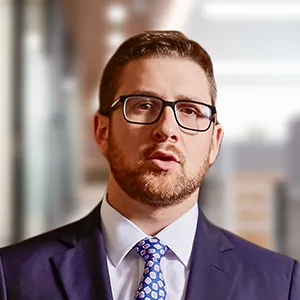
Cortland Mathers-Suter

MSSA
Managing Partner

Cortland Mathers-Suter entered the treatment space after his own battle with addiction. He first worked as a peer mentor, before starting clinical work while completing his Masters of Science in social administration from Case Western Reserve University where he focused on policy and direct practice. Cortland moved to Colorado in 2015 to start his first addiction treatment program, AspenRidge Recovery. Under his tenure, AspenRidge Recovery became a two-location, nationally accredited organization. He has since spent the last two years researching and developing what is now Colorado Medication Assisted Recovery (CMAR).

According to Cortland, “Colorado Medication Assisted Recovery is the most important organization I have had the honor to help build. We’re offering a service that seeks to not only improve the lives of our patients but also evolve how we look at medication-assisted treatment in Colorado entirely. Most individuals receiving medication-assisted care only receive medication and urinalysis. Sure you can call that ‘treatment,’ but you can’t call that ‘recovery.’ Our model is about adding the missing recovery component, and thus affords an opportunity to achieve lasting change for each patient and the industry.”

Cortland and his treatment programs have received numerous honors. These include Colorado Business Magazine’s “GenXYZ” award, the 2020 “Titan 100” award, and his program AspenRidge Recovery was both a finalist for “Best Healthcare Company” and named in the “Company’s to Watch” by Colorado Business Magazine as well. He has been interviewed and quoted by numerous publications for his “addiction expertise”, including News Week, 5280 Magazine, the Denver Post, Elephant Journal, Colorado Biz Mag, and TheRecoverySource.org.

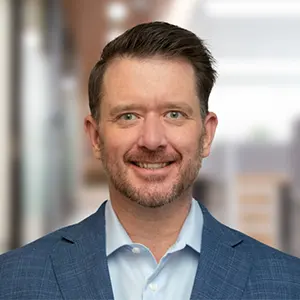
Tyler Whitman

Compliance/HR Administrator

Tyler is originally from Omaha, Nebraska. He worked in manufacturing administration for 18 years until he chose to pursue recovery from alcohol addiction, which led him to Chicago, Illinois. Since then, Tyler gained experience in retail, retail pharmacy, and healthcare as a vaccine coordinator for a local Colorado clinic. At the clinic, Tyler discovered that healthcare was the career change he had been looking for. His newfound passion for healthcare, combined with his lived experience with addiction, brought him to Colorado Medication Assisted Recovery as an Office Administrator.

In his free time, Tyler enjoys cooking, hiking, and skiing. He is currently pursuing a master’s degree in Health Services Administration from Regis University.

Simmeren Boanvala

BA
Outreach and Admissions Representative

Simmeren comes to CMAR after several years working admissions in inpatient psychiatry and addiction. A first-generation Colorado Native, Simmeren attended CU Boulder, where she earned a BA in psychology. Simmeren is currently completing her CAC III while working toward her master’s degree in marriage and family therapy.

According to Simmeren, “I joined CMAR because I believe in the quality and importance of the program whole-heartedly. My goal at CMAR is to guide each prospect who calls CMAR to find the best possible pathway to their recovery”. Simmeren currently lives in her hometown with her dog and cat.

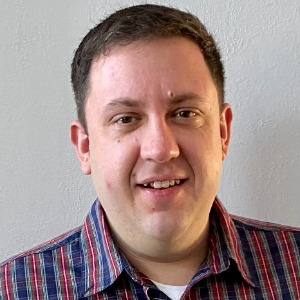
Tyler Hale

Tyler Hale

Community Partnership Lead

Tyler Hale began his career in addiction treatment following a decades-long fight with his own substance abuse issues. Since achieving long-term recovery, Tyler has held various positions in direct care, client services, admissions and outreach departments at various addiction treatment organizations. From sober living program director to outreach director to admissions director at a drug and alcohol treatment program, Tyler consistently finds himself in leadership roles within the addiction treatment space.

Tyler is originally from Chicago, IL, where he graduated from Loyola University Chicago with a Bachelor of Arts in Sociology and Bioethics. Thereafter, Tyler built a successful career in the tech industry, before finding sobriety and a subsequent calling to help others. Tyler joined the team at CMAR because he believes in the efficacy of comprehensive and patient-centered outpatient treatment. In his free time Tyler enjoys camping, hiking and spending time with his newborn son.

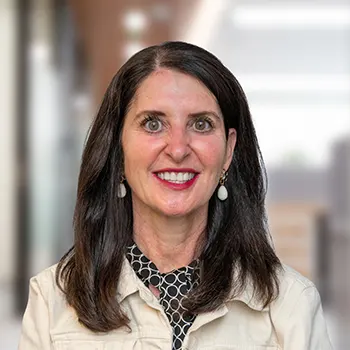
Kirstin O’Carroll

MSW
Engagement and Relations Director

Kirstin O’Carroll started her career in addiction and mental health services 23 years ago after graduating with an MSW from The Oho State University. Hired directly from an internship program, she served as a case manager and vocational specialist on a community treatment team in Columbus, OH, working to help severely mentally ill adults remain at home and in a community setting. Within the same organization, she later transitioned to clinical assessment and crisis intervention services with children, adolescents, and adults. Through these experiences, she learned the importance of providing empathetic, high-quality care and the need to “start wherever the patient is” with regard to finding the best treatment & solutions for her patients.

After seven years, Kirstin made a career change to diagnostic sales and worked for several Fortune 500 companies as an acute care sales specialist. She is delighted to return “home” to her passion for helping others and believes her new role as community engagement coordinator for CMAR is the perfect alignment of both her clinical and sales skills. When not promoting CMAR, she can be found reading, running, hiking, watching movies, and spending time with her husband Dennis and senior canine son Reggie.

Thomas Mazzarella

LAC
Primary Therapist

Thomas is a Licensed Addiction Counselor (LAC) in the State of Colorado and a Licensed Addictions Specialist (LCAS) in the State of North Carolina with particular expertise in the treatment of chronic Substance Abuse Addiction and Dependency.

Thomas is dedicated to Individual, Couples, Family, and Group Counseling and Therapy for individuals with Substance Use and Mental Health issues and concerns.

James Jackman

CAS
Primary Therapist

James Jackman is a Certified Addiction Specialist and has been practicing addiction treatment in Colorado since 2015. James is pursuing his bachelor’s degree in psychology from Metropolitan State University Denver. James is a traditional CBT therapist specializing in childhood events that lead to adult addictions.

James has received special training in Family Systems, Inner Child, Maladaptive Schemas, and Adverse Childhood Experiences. James has worked in many treatment settings throughout his career and uses a client-centered treatment approach to help one recover from destructive patterns that facilitate addiction. In addition, James enjoys working with rescue animals and advocates for several local rescue organizations outside of work.

Megan Hanekom

LPC, LAC, NCC
Therapist & Clinical Compliance Officer

Megan is a licensed counselor who has worked in various mental health and addiction treatment environments. She practices cognitive behavioral therapy and motivational interviewing and believes in pulling from various therapeutic approaches to best support each individual. Megan received her bachelor’s in psychology and Spanish from Concordia College. She relocated from North Dakota to Colorado where she earned a master’s in counseling psychology from the University of Denver.

Outside of the office, Megan enjoys spending time with her two German Shepherds and her cat. She is passionate about fostering animals through various local rescues to find adoptive homes for dogs and cats in need.

Maggie Coyle

MA, LPC
Primary Therapist

Maggie Coyle, MS, MA, LPP, LPCC has worked in the mental health and addictions counseling field for the past six years. She has extensive experience in working in the varying levels of mental health and addictions treatment as well as with diverse populations.

She practices cognitive-behavioral therapy and dialectical behavior therapy as primary intervention methods. She has earned a bachelor’s degree in sociology as well as a master’s degree in clinical mental health counseling both from Northern State University in Aberdeen, SD. She has also earned a master’s degree in addictions counseling from the University of South Dakota in Vermillion, SD. Maggie moved from South Dakota to Colorado in June 2020 and is excited to be a part of the CMAR team.

Michael Damioli

LCSW, CSAT
Clinical Director

Michael Damioli has been passionately working in the fields of addiction treatment and mental health since 2012. He has held a variety of different roles within the addiction recovery space, ranging from peer support to direct clinical practice. Notably, Michael was part of a leadership group that developed a small therapy practice into a nationally branded addiction treatment program, which offers multiple levels of care to recovering professionals. Michael is a strong believer in the family disease model of addiction and has focused much of his clinical work and training on supporting families impacted by addiction. He also specializes in treating individuals suffering from co-occurring chemical and process addictions.

Michael is honored to be leading the clinical care team at CMAR and believes that excellent clinical care begins by simply treating a patient with dignity and respect. Michael is a strong advocate for ethical reform within the addiction treatment field and is excited to promote CMAR as an ethical and thought leader throughout the treatment & recovery industry. Michael earned his master’s degree in social work from the University of Denver and is independently licensed as a clinical social worker with the state of Colorado. He holds an advanced post-graduate certificate in marriage and family therapy from the Denver Family Institute as well as an advanced certificate in sexual addiction counseling from the International Institute of Trauma and Addiction Professionals.

Dwight-Duncan

Dwight Duncan

Psy.D
Psychologist

Dr. Duncan was born and spent most of his early life in California. He received his doctorate in clinical psychology from the University of Denver in 1987. He is a licensed psychologist as well as a licensed addiction counselor. He has had extensive training and experience throughout his professional career in medical psychology, mindfulness, integrated behavioral healthcare, and substance abuse.

Dr. Duncan is married and has one daughter, a neurologic physical therapist in Los Angeles.

Susan-Miget

Susan Miget

NP
Medical Provider

Susan has been in healthcare for more than 20 years. She was an ICU nurse for nine years, then returned to school and completed her master of nursing and family nurse practitioner degree at the University of Missouri-St. Louis in 2007. She practiced pain management for many years before developing her current passion for addiction treatment.

Susan has transitioned her practice to focus entirely on addiction treatment. She has worked in residential treatment, partial hospitalization (PHP), and intensive outpatient (IOP) programs. Susan most enjoys working with patients one-on-one in a private office to protect their confidentiality and ensure top-rate care. Knowing that addiction can affect anyone, anywhere, and at any time, Susan continues to strive to make treatment more accessible and confidential.

Whitney-Grant

Whitney Grant

MSN, FNP-BC, ARNP, RN, CPN
Medical Provider

Whitney Grant is an experienced family nurse practitioner with experience and expertise in medication-assisted treatment. Whitney earned her BSN at the University of Miami before moving on to achieve a master of science in nursing degree there as well, becoming a nurse practitioner immediately thereafter.

Whitney has since achieved board certification from the ANCC as a family nurse practitioner. After spending her entire formative and educational years in South Florida, Whitney moved to Denver in 2018 to pursue a career as a provider in family practice, sub-specializing in addictions medicine. Whitney has worked under the guidance of Dr. Nathaniel Moore, CMAR’s medical director, since moving to Denver.

Nathaniel Moore

MD
Medical Director

Dr. Nathan Moore is board-certified by the American Board of Family Medicine. Dr. Moore attended Stanford University in Palo Alto, CA for his undergraduate work and then attended Duke University School of Medicine and obtained his M.D. in 1995. Dr. Moore then came to Colorado and completed his residency in family medicine at the University of Colorado’s Family Medicine Program at Rose Medical Center.

Dr. Moore practices primarily at our Aurora location. He provides comprehensive family medicine services and has a special interest in addiction medicine, treating patients with opioid use disorder as well as alcohol addiction.

Dr. Moore is married with three children. He enjoys mountain biking, running, and golf.