Telehealth Login

|

What Trauma-Informed Detox Really Looks Like

When people search for trauma-informed detox, they are usually looking for more than a safe taper or a medication plan. They want to know whether a program will understand fear, anxiety, emotional overwhelm, and the ways past trauma can complicate early recovery.

At CMAR, Michael Damioli, COO and Chief Clinical Officer, describes detox as both a medical and emotional process. 

CMAR builds detox planning around withdrawal safety, mental health support, and continued outpatient care because people with trauma histories often need more than symptom management. They need stability, structure, and support that carry forward after the first phase of treatment.

Trauma Changes The Detox Experience

Detox is not only physical. For many people, it also brings emotional distress to the surface. Damioli explains trauma in simple terms. He says, “I think trauma leaves us with a sense of not feeling safe.” That idea matters in detox because withdrawal can make the body feel unfamiliar and unstable.

Detox planning has to account for more than withdrawal symptoms.

  • Fear can rise quickly when physical discomfort starts
  • Anxiety can increase when a person no longer uses substances to numb distress
  • Shame and emotional dysregulation can make early recovery feel harder to tolerate
  • Past trauma can intensify the feeling of being unsafe in one’s own body

That is why trauma-informed detox has to consider emotional safety along with medical safety. CMAR’s broader outpatient detox model supports that approach by combining medical oversight with integrated behavioral care.

Why Trauma And Withdrawal Often Show Up Together

Damioli says many people use alcohol or drugs as a way to manage what trauma leaves behind. He explains, “Drugs and alcohol give us a false sense of safety. That one sentence helps explain why detox can feel so emotionally exposed.

When substances are removed

  • The body starts adjusting to withdrawal
  • The mind loses a familiar coping mechanism
  • Old trauma responses may come back with more intensity
  • anxiety, panic, agitation, or sadness can feel stronger in the first days

This is one reason detox and anxiety so often overlap. It is also why mental health in withdrawal cannot be treated as a side issue. CMAR’s service language already reflects that integrated view through its emphasis on underlying anxiety, depression, and trauma in how outpatient detox works.

detox and depression Denver

How CMAR Adapts Planning For PTSD Or Past Trauma

Damioli does not describe trauma care as one fixed script. He points to a treatment process that responds to the person in front of the team.

He says CMAR looks at “family, social supports, and prior history of trauma” when building individual treatment plans. That matters because trauma-informed detox should feel personalized, not generic.

That planning means paying closer attention to

  • Home stability during outpatient withdrawal
  • Whether the person has supportive people nearby
  • How anxiety or depression may affect follow-through
  • Whether mental health symptoms need more active support
  • What level of care should follow detox

CMAR’s intake materials also describe integrated mental health care as part of what makes its outpatient withdrawal management different. That fits with the broader treatment guidance from SAMHSA and supports a more complete view of detox and depression, as well as trauma-related distress.

What Mental Health Support Looks Like During Detox Planning

Trauma-informed detox is not therapy in place of medical care. It is medical care that accounts for emotional and psychological realities from the start.

CMAR’s intake states that the model combines behavioral and medical healthcare services with peer support in a single program. It also lists several pieces that support people with co-occurring symptoms.

  • Individual therapy
  • Group therapy
  • Family therapy
  • Mental health and psychiatric assessments
  • Ongoing psychological services
  • Recovery support services
  • Family and patient education

Those pieces matter because withdrawal does not happen in isolation. A person may be physically detoxing while also struggling with fear, depression, anger, loneliness, or panic. CMAR’s transition to continued care matters here because trauma-informed detox should not stop once the acute withdrawal window ends.

Why Emotional Dysregulation Can Raise Relapse Risk

Damioli makes a strong point about what happens after substances stop covering distress. He says clients often rely on drugs or alcohol as a short-term coping skill, even though those substances are not an effective long-term way to manage life.

That matters in detox because emotional dysregulation can raise relapse risk fast.

People may struggle with

  • Panic that feels unbearable
  • Agitation that makes them want immediate relief
  • Sadness or emptiness that feels heavier without substances
  • Conflict at home that increases stress during withdrawal
  • Fear that the discomfort will not end

CMAR’s intake says the team helps patients identify “the causes of anger, fear, sadness, and loneliness” and gives them tools to cope so those states do not cause relapse. That is a core part of trauma-informed detox because emotional distress is not separate from recovery risk. It is often part of the reason someone returns to use.

How The Team Works Together At CMAR

One of the clearest themes in both the interview and intake is coordination. Damioli repeatedly describes recovery as something that works better when support comes from multiple directions at once.

CMAR’s model brings together several functions in one outpatient setting.

  • Addiction medicine and withdrawal support
  • Therapy and psychological services
  • Psychiatric assessment
  • Case management
  • Peer support
  • Medication-assisted treatment when appropriate

That coordination helps people move from stabilization into longer-term care without starting over. It also reflects CMAR’s use of medications like Suboxone and Vivitrol within a broader medication-assisted treatment approach rather than a medication-only track.

This integrated model also aligns with ASAM’s individualized pathways guidance, which supports matching treatment to the person’s clinical and practical needs.

Why Safety Still Comes First

Trauma-informed does not mean less medical. It means medical care that also understands distress, fear, and destabilization.

Damioli is careful about substances that carry a higher withdrawal risk. CMAR’s intake emphasizes outpatient detox for stable individuals with mild-to-moderate symptoms and a safe home environment. That is especially important when alcohol or benzodiazepines are involved.

Medical safety considerations can include

  • Severity of current withdrawal
  • Risk of seizures or serious complications
  • Need for daily clinical check-ins
  • Whether the person has a stable home setting
  • Whether outpatient care is appropriate at all

That is why education around the stages of the alcohol withdrawal timeline matters in a trauma-informed conversation. The program has to reduce fear, but it also has to stay honest about medical risk.

detox and anxiety Colorado

Trauma-Informed Detox Should Lead Somewhere

A trauma-informed approach works best when detox is not treated like the whole solution. Damioli consistently describes recovery as a process that needs time, repetition, and ongoing support.

That is especially true for people with trauma histories.

After stabilization, many still need

  • Therapy to process underlying trauma
  • Support for anxiety or depression
  • Structure through PHP or IOP
  • Case management for outside stressors
  • Peer support that reduces isolation

CMAR’s intake makes that step-down model clear. Detox is designed to connect people into continued outpatient treatment rather than leave them with a gap after the hardest first phase. That same logic also shapes how the program talks about at-home drug detox as a starting point rather than a complete recovery plan.

What Trauma-Informed Detox Really Means At CMAR

At CMAR, trauma-informed detox means more than helping someone stop using safely. It means recognizing that withdrawal can stir up fear, dysregulation, anxiety, depression, and trauma responses that make early recovery harder to hold. 

It means treating the person as someone who may need medical monitoring, emotional support, therapy, and a stronger plan for what happens next. That is what makes the model feel integrated instead of fragmented. It treats withdrawal and emotional distress as connected issues, then builds care around both so people have a better chance to stabilize and stay engaged.

Detox and Mental Health: What Really Happens During Withdrawal

If you are trying to understand detox and mental health, this article is a great start. It explains what anxiety, panic, depression, and trauma can look like during withdrawal, how CMAR helps clients tell the difference between withdrawal symptoms and deeper mental health issues, and why emotional support matters even after the physical phase starts to ease.

At CMAR, detox is not treated as only a medical process. Michael Damioli, COO and Chief Clinical Officer, describes withdrawal as a period where the body and mind often react at the same time, which is why CMAR builds mental health support into its outpatient detox model from the start.

Why Detox And Mental Health Often Show Up Together

Many people expect detox to be mostly physical. They think about nausea, sleep problems, shakes, or cravings first.

Damioli says the emotional side can be just as intense. He explains, “A lot of times, it feels like the flu. You’re sick, you’re nauseous, you feel unwell in your own skin.”

  • Physical discomfort often overlaps with emotional distress.
  • Early withdrawal includes “a lot of agitation and frustration.”
  • Mental health in withdrawal cannot be treated as a side issue.
  • Once substances are removed, people may feel physical instability and emotional overwhelm simultaneously.
detox and depression Denver

What Anxiety And Panic Can Look Like In Early Withdrawal

Early withdrawal can feel frightening, especially when someone does not know whether what they are feeling is normal. That is one reason detox and anxiety often become part of the same conversation.

Common early symptoms can include

  • Agitation that feels hard to settle
  • Restlessness and trouble sleeping
  • Panic when the body feels unfamiliar
  • Irritability that rises quickly
  • Emotional reactivity that feels bigger than usual

Damioli says the pattern depends on the person and the substance. He is especially direct when he talks about opioid withdrawal, saying, “Detox from opioids won’t kill you, but you’ll just feel like you want to die.”

That quote matters because it captures how intense withdrawal can feel even when the risk profile differs from alcohol or benzodiazepines. CMAR’s explanation of how outpatient detox works helps illustrate why frequent monitoring and clinical support are important early on.

How CMAR Helps Clients Understand What Withdrawal Is

One of the hardest parts of detox is figuring out what belongs to withdrawal and what may point to a separate mental health issue. Damioli says that the line is not always clear right away.

He explains that substances can both create and mask mental health symptoms. In his words, “A lot of times, the depression, anxiety, mental health, a lot of times, those are caused by the drugs and alcohol.”

Symptoms Easing After Substance Removal

He also says that once substances are removed, some symptoms ease on their own. He notes that “some odd times, people find that their depression and anxiety naturally start to go away.”

  • Alcohol is a depressant.
  • Drinking enough alcohol can cause physical depression.
  • CMAR avoids simple labels on the first day or two.
  • The team observes symptoms over time and as withdrawal progresses.
  • This information guides the next steps in care.

Why Detox Is Often Someone’s First Mental Health Treatment Experience

For many clients, detox is the first place where mental health concerns become visible. Substances may have numbed anxiety, muting depression, or covering up trauma responses for a long time.

Once the substance is gone, several things can happen

  • Anxiety feels more obvious
  • Depression becomes harder to dismiss
  • Trauma Responses rise to the surface
  • Emotional Regulation becomes more difficult

Damioli explains trauma in a simple but useful way. He says, “I think trauma leaves us with a sense of not feeling safe.”

Damioli follows that with another important line, “Drugs and alcohol give us a false sense of safety.”

Those two ideas explain why trauma-informed detox matters. Once substances are removed, the false sense of safety goes with them, which can leave someone feeling exposed and emotionally flooded. CMAR’s approach reflects the individualized care model described by ASAM.

What Emotional Withdrawal Can Look Like After The Physical Phase

Physical symptoms often get the most attention, but emotional symptoms can last longer. A person may feel somewhat better physically and still struggle hard mentally.

That emotional withdrawal can include

  • Fear that feels harder to manage
  • Sadness that rises after the body settles
  • Shame about what substance use affected
  • Loneliness without the old coping pattern
  • Cravings triggered by stress more than physical need

Damioli describes substance use as an overused coping method. He says, “Drugs and alcohol, it’s not an effective long-term coping skill, but it is a short-term coping skill that our clients have learned to over-reliance on.”

That is why CMAR does not treat detox as complete once the body stabilizes. Emotional distress often needs its own support plan, which may include therapy, psychiatric assessment, and a transition into a fuller outpatient recovery program.

detox and anxiety Denver

How CMAR Supports The Emotional Side Of Detox

CMAR treats withdrawal and emotional distress as connected issues. The goal is not just to get someone through the first few difficult days. The goal is to help them stay stable enough to keep moving forward.

That support can include

  • Medical Oversight for withdrawal symptoms and safety
  • Therapy to process distress and build coping tools
  • Psychiatric Assessment when symptoms point to co-occurring needs
  • Case Management for outside stressors that affect recovery
  • Peer Support to reduce isolation and improve follow-through
  • Medication Support when clinically appropriate, including suboxone treatment in the right cases

CMAR also pays close attention to substance-specific risk. That is especially important with alcohol, where the stages of alcohol withdrawal timeline help explain why medical and emotional support often need to work together.

Why Ongoing Care Matters After Detox

Damioli is clear that recovery does not happen overnight. He says, “The longer somebody stays in treatment, I think the better outcomes we typically see.” Some clients begin with services tied to at-home drug detox, then realize they need more structure once the first phase ends.

  • He also explains why. “Brain changes take time, take time to form new habits.”
  • That long view matters because detox may be only the first point where anxiety, depression, or trauma become visible. 
  • That is why CMAR connects detox to continued care instead of treating stabilization as the finish line. 
  • Emotional recovery often becomes clearer as the physical emergency eases.

What Detox And Mental Health Mean At CMAR

At CMAR, detox and mental health belong in the same conversation. Withdrawal can bring panic, agitation, depression, trauma responses, and emotional dysregulation to the surface, especially when substances have been doing emotional work for a long time. 

CMAR treats the whole picture, not just the physical symptoms.

This involves paying attention to:

  • What the body is doing
  • What the mind is doing
  • What kind of support will the person need next
  • CMAR recognizes that detox is often the beginning of mental health treatment, not separate from it.

CMAR Programs That Support This Process

Clients at CMAR may move through different levels of support depending on symptoms, safety, and stability. That can include outpatient detox for withdrawal support and continued outpatient treatment after stabilization.

For clients who need medication support as part of longer-term recovery, CMAR also offers medication-assisted treatment. That model helps connect withdrawal care, mental health support, and ongoing recovery planning in one coordinated system.

Talk With CMAR About Detox And Mental Health

If the withdrawal process has started to feel deeply emotional in addition to the physical discomfort, understand that this is a recognized and integral part of the clinical picture, not a mere distraction from it. CMAR’s comprehensive programs are meticulously structured to address both the emotional and physical aspects of early recovery.

This dual focus ensures that the care provided remains consistently grounded, fully coordinated across all elements, and realistically tailored to the individual’s complex needs throughout their healing journey.

Is a MAT Program in Denver Right For Me?

When people start looking into a MAT program in Denver, they usually bring more than one question. They want help with cravings, relapse risk, and stability, but they do not want treatment to feel like a substitute for real recovery.

At CMAR, Michael Damioli, COO and Chief Clinical Officer, explains that medication-assisted treatment works best inside a broader outpatient structure, not as a stand-alone answer. 

Why MAT Gets Misunderstood

A lot of hesitation around medication-assisted treatment in Colorado starts with stigma. That view also fits broader guidance from SAMHSA. Damioli addresses that concern by explaining “the difference between substance abuse and substance dependency.” 

  • The distinction between dependence and addiction is made clearer through a comparison: “A diabetic is dependent on insulin, but that doesn’t mean that they’re addicted to it.”
  • This framing is important because the word “dependence” often leads people to incorrectly assume that treatment creates a new problem.
  • Damioli explains the practical goal of treatment is to move someone “from a drug that we’re addicted to, something that’s causing us issues with our family and issues with our lives, to something that we are dependent on that’s helping us be more functional with our lives.”

The focus is not on whether medication sounds uncomfortable in theory. The focus is on whether treatment helps a person become safer, more stable, and more able to function. CMAR approaches MAT inside a broader outpatient detox model where the goal is stability, not substitution.

outpatient addiction treatment Colorado

What Recovery-Oriented MAT Includes At CMAR

CMAR does not present MAT as a prescription-only track. Damioli keeps returning to a core principle when describing treatment. He says, “The core of our treatment model is around structure, accountability, and support.”

That structure is what makes recovery-oriented MAT different from medication without follow-through. It also places MAT inside a larger outpatient addiction treatment Colorado model rather than treating it like a separate service.

At CMAR, that coordinated plan can include:

  • Addiction medicine
  • Psychiatry
  • Individual therapy
  • Group therapy
  • Medication management in recovery
  • Case management
  • Peer support and alumni connection
  • Continued care planning

This is where the model becomes more complete. Patients are not just checking in for medications and leaving. They are moving through a connected outpatient recovery program that keeps medical and clinical support in the same conversation.

Damioli describes weekly treatment in concrete terms. He says, “The group is three hours long. It’s a combination of some psychoeducation, so learning something about addiction recovery or learning something about mental health, as well as processing.”

That matters because recovery-oriented MAT includes more than symptom control. It includes education, emotional work, peer connection, and enough structure to help people keep showing up.

Why Therapy Still Matters When Medication Helps

One of the biggest misconceptions around a MAT program in Denver is the idea that once cravings improve, the hardest part is over. Damioli makes it clear that symptom relief is only one piece of recovery.

That is why therapy with MAT matters so much. Damioli explains that substances often become a short-term coping strategy that people overuse, even though they do not work as a healthy long-term coping skill. It also helps readers understand how outpatient detox works as the start of a longer process, not the whole process.

In practice, that means treatment still has to address

  • Coping skills
  • Emotional regulation
  • Interpersonal conflict
  • Trauma and unresolved stress
  • Private issues that may not fit a group setting

Medication can reduce cravings or withdrawal pressure, but counseling helps people build the skills they need for daily life. That is one reason CMAR’s approach fits the individualized model described by ASAM

How CMAR Monitors Progress Without Making It Feel Punitive

Damioli is especially direct on this point because he knows many patients hear the word “accountability” and think of punishment. He does not dismiss that reaction, but he reframes it.

He says, “People, when they have to provide a drug test, it just brings up feelings of the correctional system of punishment, and that’s not at all the goal.”

Then he explains why monitoring still matters. He says, “Drug testing is really the only definitive medical test that we have to know whether or not our treatment is working for somebody.”

That changes the tone of accountability. CMAR uses monitoring to guide care, improve honesty, and protect safety, not to shame patients for struggling.

In practice, supportive monitoring can include:

  • Drug or breath testing when clinically indicated
  • Attendance follow-up
  • Medication check-ins
  • Case manager outreach
  • Schedule adjustments when barriers show up

That kind of structure matters even more in early recovery, when people are still trying to build stability around work, family, and triggers. It also matters for patients receiving medication support through a Suboxone program, where follow-through and honesty help the team adjust care effectively.

Why People Struggle Early In Outpatient Care

The first weeks of treatment can feel shaky, even when someone truly wants recovery. Damioli describes early struggle as something clinicians should expect and respond to, not treat as proof that someone does not care.

Common problems can include

  • Cravings that still feel intense
  • Emotional discomfort after reducing or stopping substances
  • Work and family stress
  • Transportation or schedule problems
  • Shame after a lapse
  • Trouble staying organized enough to follow the plan

Damioli says the first response is to look for barriers the team can actually help remove. He explains, “If there are barriers to accessing care that we can help that person remove, we’ll do that.”

That can mean practical changes like flexible scheduling, make-up options, more outreach, or more help from case management. For some patients, it can also mean stepping up care after a rough start in outpatient treatment.

Medical stability matters here, too. Some people enter care after an at-home drug detox, while others need closer monitoring because withdrawal risk changes the treatment picture. That is especially true for alcohol, where the stages of alcohol withdrawal timeline can help explain why safety has to stay part of the plan.

Why Combining Medical And Clinical Support Often Works Better

Damioli is direct about the value of integrated addiction treatment. He says, “Research shows and our experience shows that doing both at the same time increases our odds.”

He is talking about medication plus counseling, but the same logic applies to the rest of the model, too. The more coordinated support someone has, the more likely they are to keep moving forward when recovery feels difficult.

He also warns against measuring progress too narrowly. Abstinence matters, but it is not the only outcome that counts.

The broader signs of progress can include:

  • Improved relationships
  • Better work consistency
  • Stronger emotional regulation
  • Better physical health
  • More community engagement
  • More follow-through in treatment

That broader view aligns with how NIDA describes recovery. Recovery is not only about reducing use. It is also about building a life that feels more stable, more manageable, and more connected.

medication-assisted treatment Colorado

What Recovery-Oriented MAT Really Means

At CMAR, recovery-oriented MAT means medication supports the recovery process without trying to replace the recovery process. Damioli’s language stays grounded in outcomes that people can actually feel: more stability, better functioning, more support, and a stronger chance of sustained change over time. 

Medication matters, but so do therapy, psychiatry, case management, peer support, and enough time in treatment for new habits to take hold. That is the clearest way to understand whether MAT is right for you. It is not about swapping one problem for another. It is about using coordinated outpatient care to help someone function, participate, and heal in a way that lasts.

PHP Vs IOP Vs Weekly Outpatient: How Clinicians Choose The Right Level Of Care

When people search for outpatient addiction treatment in Colorado, they usually want one clear answer. At CMAR, that answer starts with a full clinical assessment and a realistic look at daily life.

Michael Damioli, COO and Chief Clinical Officer at CMAR, explains that placement is not guesswork. He says the team looks at safety, stability, treatment history, and what a person can actually sustain during outpatient care.

CMAR Matches Care To The Person

Damioli says the process begins before admission and continues through the intake process. He explains, “We try to assess somebody on the pre-admission phase of treatment, as well as we do a comprehensive biopsychosocial assessment during intake that allows us to assess what level of care somebody needs.” That assessment looks beyond substance use alone.

CMAR also reviews home life, medical needs, mental health symptoms, relapse patterns, and outside stressors.

That means CMAR weighs several factors at once.

  • Clinical need
  • Home stability
  • Work obligations
  • Family responsibilities
  • Past treatment outcomes
  • Ability to attend consistently

That approach aligns with ASAM’s guidance on individualized pathways. It also helps CMAR avoid a one-size-fits-all placement model.

PHP vs IOP Colorado

What PHP, IOP, And Weekly Outpatient Usually Mean

The main difference between levels of care is the amount of structure and support across the week. The right fit depends on how much accountability and clinical contact a person needs early on.

At a basic level, the structure usually looks like this.

  • PHP offers the highest outpatient support, often around six hours a day, five days a week
  • IOP five usually means five group days each week
  • IOP three usually means three group days each week
  • Weekly outpatient gives less frequent clinical contact for people with more stability

Damioli describes PHP as the most supportive outpatient level. He says, “For somebody in that situation, we would try to get them started in our PHP level of care, that’s the most supportive level of care that we have.”

He also explains why that matters after detox. “Stepping down slowly from such a structured treatment like detox, into outpatient, going slowly and having all the support you can possibly get is the best thing possible.”

That step-down structure makes sense for people moving from stabilization into a longer outpatient recovery program. It gives them more support before they taper down to less frequent care.

What The First Month Of Outpatient Treatment Often Looks Like

The first month is usually about rhythm, accountability, and follow-through. CMAR uses that period to help patients settle into a treatment cadence that feels structured but manageable.

Damioli says a typical IOP week includes education and group process. He explains, “The group is three hours long. It’s a combination of some psychoeducation, so learning something about addiction recovery or learning something about mental health, as well as processing.”

That early treatment cadence may include several moving parts.

  • Group sessions multiple times each week
  • Individual therapy
  • Case management or care management
  • Medication appointments
  • Drug or breath testing when clinically indicated
  • Peer support and alumni connection

Damioli says individual therapy gives people room to talk through issues that may not fit a group setting. He describes it as time to process trauma, private struggles, and other personal issues that affect recovery.

How CMAR Decides When Someone Needs More Support

Not everyone starts at the same level. Some patients need PHP right away, while others can begin at IOP or weekly outpatient and be monitored closely.

CMAR may provide more support when a patient shows signs such as these.

  • Continued use or recent relapse
  • Unstable home life
  • Repeated unsuccessful outpatient attempts
  • Stronger mental health symptoms
  • Withdrawal risk or medical concerns

Damioli is especially careful about medical safety. He says he looks closely at alcohol and benzodiazepine use because withdrawal can be dangerous in those cases.

That is why safety has to shape placement decisions from the start. CMAR’s overview of how outpatient detox works gives more context for that early stage of care.

Progress Monitoring Should Feel Supportive, Not Punitive

This part of Damioli’s interview is especially useful because it directly addresses a common fear. Many patients hear words like accountability or testing and assume treatment is trying to punish them.

He says accountability is one of the biggest differences between treatment and informal support. He explains, “If something’s happening, if you’re not attending, if we have a concern about you, we will step up and say something. We will call you.”

That kind of support can include several things.

  • Attendance follow-up
  • Case manager outreach
  • Schedule adjustments
  • Medication check-ins
  • Family or support-system contact when appropriate

For some patients, medication support is part of that structure. CMAR’s Suboxone MAT program is one example of how medical care can fit into a broader outpatient plan.

integrated addiction treatment Denver

Why People Often Struggle Early In Outpatient Care

The first month can be the hardest part of treatment. People are trying to change routines, manage cravings, show up consistently, and handle the same life stress they were already carrying before treatment began.

Damioli says early struggles are common, and the team tries to respond instead of shame. He explains, “If there are barriers to accessing care that we can help that person remove, we’ll do that.”

Those barriers often look practical before they look clinical.

  • Scheduling conflicts
  • Work pressure
  • Family demands
  • Transportation issues
  • Shame after relapse
  • Trouble staying organized

When someone misses sessions, CMAR does not just mark them down and move on. Damioli says the first step is a conversation about what is getting in the way and how the team can help remove it.

What Better Outcomes Actually Look Like

Damioli says treatment success is bigger than simple abstinence. He wants to know whether a person is functioning better in daily life. That broader definition of progress aligns with NIDA’s recovery framework.

He explains that the team looks at general life improvement, not just last use. That includes relationships, work performance, emotional regulation, community connection, and physical well-being.

His summary is one of the clearest lines in the interview. “Drugs and alcohol are just the start of recovery. Learning to live a happy, healthy life is what it’s really all about.”

It also reflects how SAMHSA describes treatment and support, in which long-term recovery includes health, function, and stability.

Why The Right Level Of Care Matters

The wrong level of care can leave someone overwhelmed or under-supported. The right level gives them enough structure to stay engaged and enough flexibility to keep moving through daily life. That is the main takeaway from Damioli’s interview. CMAR chooses outpatient addiction treatment in Colorado by looking at the full picture rather than one symptom or one preference.

PHP, IOP, and weekly outpatient all have a role in recovery. The key question is which level provides the patient with enough support, accountability, and clinical oversight to build momentum in the first month.

That is what makes placement decisions matter. They shape not only the schedule, but also the odds that someone will keep showing up, stay connected, and move forward in care that fits both their needs and their real life.

Outpatient Rehab in Denver And How CMAR Integrates Medical Care & Therapy

When people search for outpatient rehab in Denver, they are often looking for something that feels realistic. They may need treatment that works with daily life, but they also want more than a single appointment or medication check. 

At CMAR, Michael Damioli, COO and Chief Clinical Officer, describes outpatient care as a coordinated model where addiction medicine, therapy, psychiatry, case management, and peer support work together. That matters because recovery rarely breaks down into one problem at a time. Many clients need support with cravings, mental health symptoms, daily structure, and follow-through all at once.

Outpatient Treatment Works Best When Care Connects

A lot of people think treatment means one main service. They picture detox, or therapy, or medication, and assume that is the whole process. Damioli describes something more connected. He says, “The core of our treatment model is around structure, accountability, and support.”

That line captures what makes CMAR’s outpatient detox model different. Treatment is not built around a single intervention. It is built around multiple forms of support that reinforce one another throughout the week.

At CMAR, that can include:

  • Medication-assisted treatment
  • Psychiatry
  • Individual therapy
  • Group therapy
  • Case management
  • Peer and alumni support
  • Medication management in recovery

That broader structure is what makes outpatient treatment feel more complete for people who need both stabilization and ongoing recovery work.

outpatient addiction treatment Colorado

Recovery-Oriented MAT Means More Than A Prescription

One of the biggest misconceptions around medication-assisted treatment in Colorado is that MAT is just medication and little else. His comments make it clear that CMAR sees it differently.

He describes a weekly outpatient experience that includes psychoeducation, group processing, therapy, care coordination, and support from a medical provider when needed. He explains, “The group is three hours long. It’s a combination of some psychoeducation, so learning something about addiction recovery or learning something about mental health, as well as processing.”

That detail matters because it reframes MAT as part of a full outpatient addiction treatment Colorado plan rather than a stand-alone service. Medication may help reduce cravings, manage withdrawal, or lower relapse risk, but clients still need help learning how to live differently.

  • Damioli addresses the fear that Medication-Assisted Treatment (MAT) is merely replacing one addiction with another.

  • Treatment teams should explain “the difference between substance abuse and substance dependency.”
  • Example: “A diabetic is dependent on insulin, but that doesn’t mean that they’re addicted to it.”
  • This framing helps people understand MAT as a recovery support, not a shortcut or substitution.

How CMAR Coordinates Medical Care, Therapy, Psychiatry, And Pharmacy Support

The reason integrated outpatient care matters is that clients often show up with overlapping needs. Some need help with withdrawal symptoms. Some need mental health support. Some need medication adjustment, therapist follow-up, and help handling life problems that could derail treatment.

Damioli describes a model where those pieces are not separated into unrelated tracks. Clients may attend group several times a week, meet with an individual therapist, check in with a care manager, and see a medical provider for medications or psychiatric needs. That kind of coordination reduces the chance that someone falls through the cracks between services.

He explains that case management helps with issues outside the therapy room, including:

  • Work stress
  • Family conflict
  • Housing concerns
  • Education issues
  • Scheduling barriers

That practical layer matters in outpatient care because clients are still living in the same environments where stress, triggers, and obligations keep showing up. A coordinated outpatient plan makes it easier to address those obstacles in real time instead of pretending they do not exist.

This is also where CMAR’s transition to a continued care approach becomes important. Treatment is not supposed to stop right after early stabilization. It should continue to build support as people move forward.

Why Case Management And Peer Support Matter So Much

People often think of relapse risk in strictly medical terms, but dropout risk often grows from practical issues first. Missed sessions, family stress, work conflicts, transportation problems, and shame can all pull someone away from care before they have built enough stability.

Damioli explains that CMAR does not just ignore those gaps. “If there are barriers to accessing care that we can help that person remove, we’ll do that.” He also says the first step is often a conversation about what is getting in the way and how the team can help the client keep showing up.

That support can look like:

  • Rearranging group schedules
  • Helping someone talk with work or family
  • Creating make-up options
  • Assigning recovery-focused homework
  • Using case management to reduce outside stressors

Peer support matters too. Damioli describes group treatment as a place where clients learn and process with others who understand what recovery feels like in real life. He also highlights alumni access from the start of treatment, with clients able to join recovery community activities early rather than waiting until discharge.

That kind of connection can help reduce isolation and improve follow-through. People are more likely to stay engaged when treatment feels active, relational, and relevant to the life they are actually living.

Why Therapy And Medical Support Together Often Lead To Better Outcomes

Providers look for more than abstinence alone when they evaluate progress. He explains that treatment teams pay attention to “general functionality in life,” including whether someone is feeling better, showing up differently in relationships, working more consistently, and engaging more with the greater recovery community. 

  • Damioli is direct about the value of combining services instead of treating recovery as one-dimensional.
  • He says, “Research shows and our experience shows that doing both at the same time increases our odds.”
  • That point applies to medication and therapy, but it also fits the larger CMAR model.
  • When clients receive medical care without deeper therapy work, they may feel somewhat better physically but still struggle emotionally.
  • When they receive therapy without enough medical support, cravings, withdrawals, or psychiatric symptoms may keep disrupting progress.

In other words, success is not only about whether a person stops using. It is also about whether life starts working better.

medication management in recovery Denver

Outpatient Care Can Support Harm Reduction And Long-Term Recovery

CMAR’s integrated model also leaves room for a more realistic understanding of change. Some people enter treatment after detox. Some step in through at-home drug detox or outpatient withdrawal management. Some arrive unsure whether they are ready for full abstinence but still need help reducing harm and regaining stability.

Damioli repeatedly returns to the idea that recovery takes time. He says, “Recovery takes time. Brain changes take time, take time to form new habits.” That is why coordinated outpatient care matters so much. It gives people a place to keep working after the first crisis passes.

For clients with alcohol use, that may also include understanding risks discussed in CMAR’s stages of alcohol withdrawal timeline and receiving closer medical attention when needed. For others, it may mean medication support, therapy, peer accountability, and continued care planning that makes treatment feel sustainable rather than temporary.

A More Complete Picture Of Outpatient Rehab in Denver

The clearest takeaway from Damioli’s interview is that outpatient rehab in Denver should not be reduced to one service. At CMAR, recovery-oriented care means clients can receive medical support, therapy, psychiatry, case management, and peer support within a single outpatient setting. That model gives people more ways to stay engaged, more support when barriers show up, and more room to build change gradually.

For people comparing options, that is the real value of integrated outpatient treatment. It is not just about convenience. It is about coordination. And in recovery, coordination often makes the difference between temporary improvement and real follow-through.

What Medication Helps with Alcohol Cravings?

Alcohol cravings are a biological reality, not a moral failure. These cravings can derail recovery even after a person has stopped drinking. If you’re asking yourself, “What medication helps with alcohol cravings?”, you’re taking a critical first step toward long-term recovery.

At Colorado Medication Assisted Recovery (CMAR), we offer evidence-based, FDA-approved medications as part of our outpatient treatment programs.

Our approach combines medications with therapy, case management, and peer support, allowing you to reduce cravings and stay on track without checking into residential rehab.

Why Do Alcohol Cravings Happen?

Chronic alcohol use rewires the brain’s chemistry, especially in areas responsible for pleasure, stress, and decision-making. When someone stops drinking, the brain often struggles to function normally, triggering intense cravings as it seeks balance.

These cravings can continue for weeks or even months. That’s where medication-assisted treatment (MAT) plays a crucial role.

Why Do Alcohol Cravings Happen?

What Medication Helps with Alcohol Cravings?

CMAR provides two FDA-approved medications specifically designed to help manage alcohol cravings:

Vivitrol (Extended-Release Naltrexone)

Vivitrol is a monthly injection that works by blocking the pleasurable effects of alcohol in the brain. This reduces the desire to drink and helps prevent relapse.

  • How it works: Vivitrol binds to opioid receptors, so drinking alcohol won’t produce the same reward
  • How it helps: Reduces cravings, supports abstinence, and lowers the risk of relapse
  • Dosing: Monthly injection
  • At CMAR: We offer Vivitrol as part of our customized outpatient MAT plans. It’s ideal for individuals who have already completed detox and are committed to staying sober.

Antabuse (Disulfiram)

Antabuse is a daily medication that creates an immediate physical deterrent to drinking. If you consume alcohol while on Antabuse, it triggers unpleasant symptoms like nausea, flushing, and rapid heartbeat.

  • How it works: Blocks the body’s ability to process alcohol, leading to adverse reactions when drinking
  • How it helps: Serves as a powerful behavioral deterrent for motivated individuals
  • Dosing: Taken daily under supervision or independently
  • At CMAR: Antabuse is used when patients seek additional accountability or are struggling with impulse control in early recovery
Why Choose MAT at CMAR?

Why Choose MAT at CMAR?

At Colorado Medication Assisted Recovery, we go beyond prescriptions. MAT is most effective when combined with:

  • Individual therapy
  • Case management
  • Peer recovery support
  • Dual-diagnosis mental health care
  • Flexible scheduling and telehealth access

Whether you’re starting your recovery or transitioning from a detox program, we meet you where you are and help you move forward, at your pace, in your environment.

Are These Medications Right for Me?

Both Vivitrol and Antabuse are highly effective tools for reducing alcohol cravings, but they are not suitable for everyone. A comprehensive assessment at CMAR will help determine:

  • If you’re medically stable enough for these medications
  • Your readiness for abstinence
  • Whether a monthly injection (Vivitrol) or daily pill (Antabuse) fits better with your lifestyle
  • Any co-occurring mental health or trauma history that could impact treatment

Begin Healing Without Putting Life on Hold

At CMAR, treatment doesn’t mean uprooting your life. Our outpatient and intensive outpatient programs (IOP) allow you to:

  • Keep your job or continue school
  • Stay connected with family
  • Receive care in the real world, not a hospital or residential facility

If you’ve tried quitting before and struggled, you are not alone, and you’re not out of options.

Stages of Alcohol Withdrawal Timeline

If you or a loved one is considering quitting alcohol, it’s important to understand what to expect physically and mentally in the early days of recovery. Alcohol is a central nervous system depressant, and once your body has become dependent on it, stopping use can trigger withdrawal symptoms.

This guide will walk you through the stages of alcohol withdrawal timeline, what symptoms can appear, when they show up, and why medical supervision during detox is often critical for safety and success.

At Colorado Medication Assisted Recovery (CMAR), we provide outpatient detox programs that support individuals through withdrawal and into long-term recovery, with care that’s compassionate, clinical, and customized.

Breaking Down the Alcohol Withdrawal Timeline

While each individual’s experience can differ, here is a general breakdown of the alcohol withdrawal stages by time:

Stage 1: 6–12 Hours After Last Drink

  • Mild symptoms begin
  • Shaking or tremors
  • Headaches
  • Nausea or upset stomach
  • Anxiety or restlessness
  • Insomnia or disrupted sleep

This is often when people start feeling “off”, but symptoms can quickly escalate, especially for those with a long history of heavy drinking.

Stages of Alcohol Withdrawal Timeline CMAR

Stage 2: 12–48 Hours

  • Symptoms intensify
  • Increased blood pressure and heart rate
  • Fever, sweating, and confusion
  • Heightened anxiety or panic
  • Irritability
  • Sensory sensitivity (light, noise)

For some individuals, hallucinations (visual or auditory) may begin during this window, known as alcohol hallucinosis. Though distressing, they are not usually life-threatening.

Stage 3: 48–72 Hours

  • Peak withdrawal period for most people
  • Risk of seizures increases significantly
  • Possibility of developing Delirium Tremens (DTs)

DTs is a severe and potentially fatal complication of alcohol withdrawal that affects about 5% of people withdrawing from alcohol. Symptoms include:

  • Confusion and disorientation
  • High fever and rapid heartbeat
  • Hallucinations and paranoia
  • Seizures
  • Dangerously high blood pressure

This stage is a medical emergency. Anyone at risk for delirium tremens should never attempt detox at home.

Stage 4: 4–7 Days and Beyond

  • Physical symptoms begin to stabilize
  • Emotional and psychological symptoms may linger
  • Continued insomnia, depression, anxiety
  • Cravings for alcohol may persist

This is a vulnerable period when relapse is common, not due to physical discomfort, but emotional overwhelm and lack of coping strategies.

At CMAR, we help patients navigate this transition by transitioning directly into supportive care, including Intensive Outpatient Programs (IOP), Medication-Assisted Treatment (MAT), and therapy services.

What Influences the Withdrawal Timeline?

The stages of alcohol withdrawal timeline can vary depending on:

  • Length and intensity of alcohol use
  • Age and overall physical health
  • Co-occurring mental health conditions (e.g., anxiety, PTSD, depression)
  • Nutritional deficiencies
  • Liver function and metabolic rate
  • History of past detox attempts

This is why CMAR begins every outpatient detox with a thorough clinical assessment, ensuring you receive a personalized plan that keeps you safe and supported from day one.

How Medical Detox at CMAR Can Help

CMAR’s outpatient alcohol detox program is designed to help you complete withdrawal safely, comfortably, and without disrupting your life. Here’s what to expect:

  • Daily medical supervision and symptom monitoring
  • FDA-approved medications to reduce withdrawal symptoms and cravings
  • Individual therapy and mental health support
  • Flexible scheduling and telehealth options
  • Seamless transition into ongoing care

We are Colorado’s only licensed outpatient detox center that integrates addiction medicine, therapy, case management, and peer support in one place.

When to Seek Medical Help

You should never attempt alcohol detox alone if you:

  • Drink heavily every day
  • Have previously experienced seizures or hallucinations during withdrawal
  • Are over 40 with other health issues
  • Take medications for anxiety or sleep
  • Have experienced relapse after past attempts

If you or a loved one is experiencing symptoms consistent with Stage 3 or beyond, seek immediate medical attention.

When to Seek Medical Help

Understanding Alcohol Withdrawal

Alcohol withdrawal occurs when a person who has been drinking heavily for weeks, months, or years suddenly stops or significantly reduces intake.

The brain, which has adapted to alcohol’s depressant effects, becomes hyperactive without it, leading to a range of symptoms that can vary from mild discomfort to medical emergencies.

Timeline Awareness Can Save Lives

Understanding the stages of alcohol withdrawal timeline isn’t just about preparing for what’s ahead, it’s about knowing when to ask for help. The sooner you receive professional support, the safer and more successful your recovery will be.

At CMAR, we make starting that journey easy, discreet, and affordable, offering expert-led outpatient detox throughout the Denver metro area.

Benefits of Medical Detox

Starting recovery is never easy, but starting the right way can make all the difference. For many, the idea of quitting cold turkey or managing withdrawal alone feels overwhelming. That’s where medical detox comes in, not just as a clinical option, but as a strategic investment in your future sobriety.

At Colorado Medication Assisted Recovery (CMAR), we help people across Denver and beyond safely begin their recovery journey through outpatient medical detox designed around comfort, flexibility, and results.

If you’re weighing your next step, here’s what makes the benefits of medical detox impossible to ignore, and why it might be the most intelligent decision you’ll ever make.

Benefits of Medical Detox

Top Benefits of Medical Detox

Medical detox isn’t just about removing substances from the body; it’s about doing it with the proper support, the right tools, and the right mindset.

For individuals who have tried to quit on their own or are nervous about what withdrawal might feel like, the benefits of medical detox are rooted in safety, comfort, and setting the stage for long-term success.

Below are some of the most important reasons why choosing medical detox, especially in an outpatient setting like CMAR’s, can make all the difference in your recovery journey.

1. Personalized Planning from Day One

Unlike one-size-fits-all detox approaches, medical detox begins with a complete medical and psychological assessment. This allows care teams to:

  • Understand your substance use history
  • Identify physical or mental health concerns
  • Create a tailored medication and therapy plan

At CMAR, this initial planning sets the tone for everything that follows. We don’t guess, we listen, evaluate, and respond to your unique needs.

2. A Controlled Way to Reduce Risk

Unsupervised detox can lead to serious complications like seizures, dehydration, or cardiac distress, especially for people detoxing from alcohol, opioids, or benzodiazepines.

Medical detox ensures safety through daily clinical oversight. At CMAR, patients undergo:

  • Regular vital monitoring
  • Medication adjustments based on progress
  • Direct access to licensed clinicians

Even in an outpatient setting, this high-touch care reduces risk and supports a smooth withdrawal process.

3. Immediate Relief from Cravings and Symptoms

Withdrawal doesn’t just test your willpower; it hijacks your body. From cold sweats and stomach cramps to panic attacks and insomnia, symptoms can feel unbearable.

One of the most significant benefits of medical detox is that it doesn’t require you to suffer.

At CMAR, we use FDA-approved medications to:

  • Lessen or prevent withdrawal symptoms
  • Ease mental distress
  • Reduce cravings during the most vulnerable phase

This relief can make the difference between completing detox and giving up before it’s over.

Medical detox

4. Staying Present for Work and Family

Not everyone can disappear for 30 days. One significant advantage of outpatient medical detox, like the one offered at CMAR, is the ability to stay engaged in life while getting the care you need.

  • No overnight stays required
  • Early morning, daytime, and evening appointments available
  • Discretion and privacy are preserved

Our program is ideal for people who want to stay home, continue working, or maintain parenting responsibilities while safely beginning recovery.

5. A Judgment-Free Space to Start Over

Medical detox isn’t about punishment, it’s about healing. At CMAR, we offer a compassionate, nonjudgmental environment where patients can be honest about their struggles and start fresh without fear.

We often hear from clients that simply walking through our door, knowing they’d be met with respect, was the turning point.

6. Setting the Stage for Real, Lasting Change

Here’s something people don’t talk about enough: Detox alone isn’t enough.

Detox clears your system, but real recovery requires addressing:

  • Why you used
  • How to avoid future triggers
  • What coping skills do you need next

That’s why our medical detox program is just the beginning of what CMAR offers. Patients who complete detox have immediate access to our therapy-based outpatient programs, including:

We help you step into the next phase of healing without losing momentum.

7. A More Affordable, Accessible Option

Inpatient detox can cost thousands of dollars and isn’t always necessary. Our outpatient model offers:

You don’t have to choose between safety and affordability. CMAR delivers both.

Final Thoughts Why It’s Outpatient Rehab Worth It

Final Thoughts: Why It’s Worth It

The benefits of medical detox go far beyond physical comfort; they include safety, flexibility, emotional support, and a clear path into recovery that fits your real life if you’re ready to take the first step but aren’t sure how, our team is here to guide you with compassion and care.

What Is Medical Detox?

For many individuals beginning their journey to sobriety, the first question they face is: “What is medical detox?” Medical detox is a supervised process that helps individuals safely withdraw from drugs or alcohol under the care of healthcare professionals.

Colorado Medication Assisted Recovery (CMAR) provides outpatient medical detox services designed to prioritize comfort, safety, and long-term success, without requiring an overnight stay in a hospital or rehab center.

Understanding the Medical Detox Process

Medical detoxification (medical detox) is the process of clearing substances like alcohol, opioids, or benzodiazepines from the body, with medical supervision to manage withdrawal symptoms and reduce potential risks.

The goal is to:

  • Stabilize the individual during withdrawal
  • Minimize discomfort
  • Prevent complications
  • Prepare for ongoing addiction treatment

Medical detox often includes the use of FDA-approved medications, clinical monitoring, and therapeutic support to make withdrawal safer and more manageable.

Understanding the Medical Detox Process

Why Medical Detox Is Necessary

Substance use changes brain chemistry and body function. When you suddenly stop using, your body can go into shock, especially with substances like alcohol, opioids, or benzos. Withdrawal can be painful and, in some cases, life-threatening.

Symptoms of withdrawal may include:

  • Nausea and vomiting
  • Sweating and chills
  • Seizures
  • Anxiety or depression
  • Insomnia
  • Hallucinations
  • Delirium tremens (DTs)

Medical detox helps you avoid these risks by providing round-the-clock care and the proper medications to stabilize your system.

What Happens During Medical Detox?

Step 1: Initial Assessment

At CMAR, every detox process begins with a comprehensive medical and psychological assessment. This helps us determine your:

  • Substance use history
  • Physical health
  • Mental health conditions
  • Risk of complications

We then design a personalized detox plan tailored to your specific needs.

Step 2: Medication-Assisted Withdrawal

We use evidence-based medications to manage symptoms and cravings, including:

  • Suboxone or Sublocade (for opioid detox)
  • Vivitrol (for alcohol or opioid cravings)
  • Antabuse (for alcohol recovery)
  • Comfort medications for anxiety, sleep, or nausea

These medications help ease the detox process and prevent relapse.

Step 3: Ongoing Monitoring & Support

Our licensed professionals provide daily check-ins, monitor vitals, and adjust medications as needed. We also offer individual counseling to help patients cope with emotional triggers during detox.

CMAR’s Outpatient Detox Program in Colorado

CMAR’s Outpatient Detox Program in Colorado

Unlike inpatient rehabs, CMAR offers medical detox on an outpatient basis, meaning you can detox safely while living at home or in a supportive environment.

Our outpatient program is ideal for individuals who:

  • Have mild to moderate withdrawal symptoms
  • Need flexible scheduling
  • Want to maintain work, school, or family obligations
  • Are you looking for a cost-effective alternative to inpatient rehab

We are Colorado’s only licensed outpatient detox provider that integrates medical, clinical, and therapeutic care in one location.

What Substances Require Medical Detox?

Not every drug withdrawal is the same. Some substances require medical detox due to the severity of symptoms and the potential for complications.

Substances Commonly Treated at CMAR:

  • Alcohol: Risk of seizures and delirium tremens
  • Opioids (heroin, fentanyl, prescription painkillers): Severe cravings, flu-like symptoms, anxiety
  • Benzodiazepines (Xanax, Ativan, Valium): Risk of seizures, panic attacks, insomnia
  • Polysubstance Use: Combined drug withdrawals need specialized care

If you’re unsure whether you need detox, our team can help assess your condition confidentially.

Is Medical Detox Enough?

While detox is an essential first step, it’s not a cure for addiction. Proper recovery begins after detox, when the physical dependence ends and psychological healing begins.

That’s why CMAR offers a full continuum of care after medical detox, including:

  • Partial Hospitalization Program (PHP): Daytime, structured support
  • Intensive Outpatient Program (IOP): Flexible scheduling for working adults
  • Mental Health & Dual Diagnosis Treatment
  • Individual & Group Therapy
  • Family Support & Case Management
How Long Does Medical Detox Last

How Long Does Medical Detox Last?

Most medical detox programs last 5 to 10 days, but the exact duration depends on:

  • The substances used
  • How long and how heavily they were used
  • Your overall health and co-occurring conditions

CMAR designs each detox timeline around your unique recovery needs.

Frequently Asked Questions

Is detox painful?

With medical detox, discomfort is minimized through the use of medications and clinical care. Although you may still feel symptoms, we manage them closely.

Can I detox at home?

We strongly advise against unsupervised detox, primarily from alcohol, opioids, or benzos. Home detox can be dangerous and unpredictable.

Does insurance cover medical detox?

Yes! CMAR accepts most major insurance plans, including Medicaid, and offers affordable self-pay options.

Why Choose CMAR for Medical Detox?

  • Colorado’s only licensed outpatient detox provider
  • Full MAT services on-site
  • Dual diagnosis and trauma-informed care
  • Flexible appointment options, morning, evening, and telehealth
  • Caring, nonjudgmental staff with decades of experience

Start Medical Detox in Denver Today

If you or a loved one is asking, “What is medical detox?”, chances are you’re already considering a path to recovery. At CMAR, we make starting that journey easier, safer, and more flexible than ever.

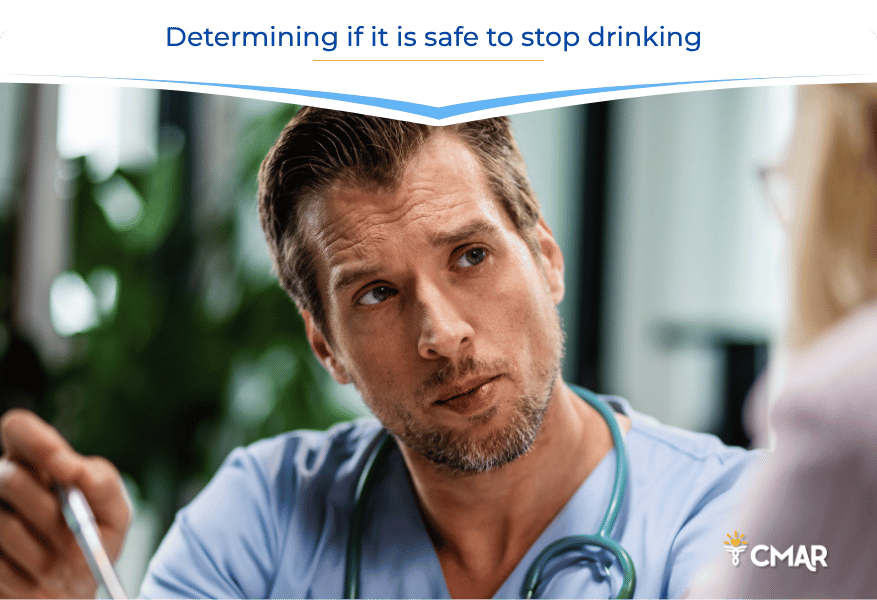
Is It Safe for an Alcoholic to Quit Cold Turkey?

For someone struggling with alcohol addiction, quitting may seem as simple as deciding to stop drinking. But while the idea of quitting cold turkey, abruptly stopping all alcohol use, might sound brave or efficient, it can be dangerous and even life-threatening for individuals who are physically dependent on alcohol.

So, is it safe for an alcoholic to quit cold turkey? In many cases, the answer is no.

At Colorado Medication Assisted Recovery (CMAR), we specialize in safe, outpatient detox services designed to protect your health while supporting your long-term recovery. If you or a loved one is thinking about quitting alcohol, understanding the risks and the safer alternatives is essential.

Is It Safe for an Alcoholic to Quit Cold Turkey

What Does “Cold Turkey” Mean?

“Cold turkey” refers to stopping alcohol use suddenly, without the help of medication, supervision, or a gradual taper. While this approach might work for people with mild or short-term use, it poses serious risks for those with long-term, heavy, or dependent alcohol use.

Alcohol withdrawal can trigger a wide range of symptoms, from mild anxiety to seizures and hallucinations. The more dependent your body has become on alcohol, the more intense your withdrawal is likely to be.

Why Quitting Alcohol Cold Turkey Can Be Dangerous

1. Risk of Severe Withdrawal Symptoms

Alcohol is a central nervous system depressant. When someone who has been drinking heavily stops suddenly, the brain becomes overactive, leading to a dangerous condition known as alcohol withdrawal syndrome.

Symptoms of withdrawal can include:

  • Tremors or shakes
  • Anxiety and panic attacks
  • Nausea or vomiting
  • Insomnia
  • High blood pressure and heart rate
  • Sweating and fever
  • Hallucinations
  • Seizures

2. Delirium Tremens (DTs)

In about 5% of alcohol-dependent individuals, withdrawal can progress to delirium tremens, a life-threatening condition characterized by:

  • Confusion and disorientation
  • Body tremors
  • Visual or auditory hallucinations
  • Seizures
  • High fever
  • Cardiovascular collapse

Without medical treatment, DTs can be fatal.

3. No Access to Comfort Medications

When detoxing cold turkey, individuals are not supported by FDA-approved medications that ease withdrawal symptoms. This increases both the physical discomfort and relapse risk.

At CMAR, we use medications such as Vivitrol, Antabuse, and comfort meds to safely reduce symptoms and promote long-term success.

Why Quitting Alcohol Cold Turkey Can Be Dangerous

Who Is Most at Risk When Quitting Cold Turkey?

It’s important to understand that not everyone is at the same level of risk. Cold turkey detox becomes especially dangerous for individuals who:

  • Have been drinking heavily for weeks, months, or years
  • Drink daily or binge drink frequently
  • Have experienced withdrawal symptoms in the past
  • Have a co-occurring medical or psychiatric condition (e.g., heart disease, bipolar disorder, PTSD)
  • Are over the age of 40 or have poor liver health

If this describes you or your loved one, quitting alcohol without medical supervision could be extremely dangerous.

Safe Alternatives to Quitting Cold Turkey

The good news is that safe, medically sound alternatives to quitting cold turkey are available in Denver, Colorado.

1. Outpatient Detox with Medical Supervision

CMAR offers Outpatient Withdrawal Management (OWM), also known as outpatient alcohol detox. This program allows individuals to detox in a supportive clinical setting without needing to be hospitalized.

Our outpatient program includes:

  • Daily check-ins with medical professionals
  • Medication-assisted treatment (MAT) to reduce cravings and withdrawal
  • Therapy and peer support
  • Flexible scheduling to fit around work, family, or school obligations

2. Medication-Assisted Treatment (MAT)

MAT is a proven approach that uses medications to manage withdrawal symptoms and reduce cravings.

Medications we use at CMAR include:

  • Vivitrol (naltrexone): Helps reduce alcohol cravings and prevents relapse
  • Antabuse (disulfiram): Causes unpleasant effects if alcohol is consumed
  • Comfort medications: To ease anxiety, insomnia, and nausea

These medications are most effective when combined with counseling and behavioral therapies.

What Happens After Detox?

Detox is only the beginning. After safely withdrawing from alcohol, patients at CMAR are encouraged to transition into long-term support programs like:

  • Partial Hospitalization Program (PHP): A structured, full-day program for intensive recovery
  • Intensive Outpatient Program (IOP): Ideal for those balancing work or home life while continuing treatment
  • Mental Health & Dual Diagnosis Care: For individuals facing anxiety, depression, or trauma alongside addiction

Each program includes individual therapy, group counseling, family support, and personalized recovery planning.

Why Choose CMAR for Alcohol Detox in Colorado

If you or your loved one is ready to stop drinking, we urge you not to go it alone.

At CMAR, we offer:

  • Colorado’s only licensed outpatient detox center with integrated medical and therapeutic services
  • A compassionate, experienced clinical team
  • Flexible scheduling and telehealth options
  • Medicaid acceptance and insurance verification
  • A holistic, trauma-informed approach to recovery

Located just outside Denver in Thornton, CO, our facility provides a safe, private, and welcoming environment for recovery.

Why Choose CMAR for Alcohol Detox in Colorado

FAQs: Alcohol Withdrawal & Cold Turkey Detox

Can I detox from alcohol at home?

While mild cases may be manageable at home, moderate to severe withdrawal symptoms should always be treated under medical supervision.

How long do alcohol withdrawal symptoms last?

Most withdrawal symptoms begin within 6–12 hours of your last drink and peak between 24–72 hours. Some psychological symptoms, like anxiety or depression, may last longer.

How do I know if I need medical detox?

If you drink daily, binge drink, or have ever experienced withdrawal symptoms (like shakes, anxiety, or seizures), you likely need medical support. Contact CMAR for a confidential assessment.

Conclusion: Don’t Take the Risk – Choose Safe Detox with CMA

So, is it safe for an alcoholic to quit cold turkey? In most cases, no, it’s not worth the risk. Alcohol withdrawal is severe, and without the proper medical care, it can be deadly.

At Colorado Medication Assisted Recovery, we offer a better, safer path to freedom from alcohol. If you or someone you love is ready to take the first step, our team is here to help.

VERIFY INSURANCE

Cortland Mathers-Suter

MSSA
Managing Partner

Cortland Mathers-Suter entered the treatment space after his own battle with addiction. He first worked as a peer mentor, before starting clinical work while completing his Masters of Science in social administration from Case Western Reserve University where he focused on policy and direct practice. Cortland moved to Colorado in 2015 to start his first addiction treatment program, AspenRidge Recovery. Under his tenure, AspenRidge Recovery became a two-location, nationally accredited organization. He has since spent the last two years researching and developing what is now Colorado Medication Assisted Recovery (CMAR).

According to Cortland, “Colorado Medication Assisted Recovery is the most important organization I have had the honor to help build. We’re offering a service that seeks to not only improve the lives of our patients but also evolve how we look at medication-assisted treatment in Colorado entirely. Most individuals receiving medication-assisted care only receive medication and urinalysis. Sure you can call that ‘treatment,’ but you can’t call that ‘recovery.’ Our model is about adding the missing recovery component, and thus affords an opportunity to achieve lasting change for each patient and the industry.”

Cortland and his treatment programs have received numerous honors. These include Colorado Business Magazine’s “GenXYZ” award, the 2020 “Titan 100” award, and his program AspenRidge Recovery was both a finalist for “Best Healthcare Company” and named in the “Company’s to Watch” by Colorado Business Magazine as well. He has been interviewed and quoted by numerous publications for his “addiction expertise”, including News Week, 5280 Magazine, the Denver Post, Elephant Journal, Colorado Biz Mag, and TheRecoverySource.org.

Tyler Whitman

Compliance/HR Administrator

Tyler is originally from Omaha, Nebraska. He worked in manufacturing administration for 18 years until he chose to pursue recovery from alcohol addiction, which led him to Chicago, Illinois. Since then, Tyler gained experience in retail, retail pharmacy, and healthcare as a vaccine coordinator for a local Colorado clinic. At the clinic, Tyler discovered that healthcare was the career change he had been looking for. His newfound passion for healthcare, combined with his lived experience with addiction, brought him to Colorado Medication Assisted Recovery as an Office Administrator.

In his free time, Tyler enjoys cooking, hiking, and skiing. He is currently pursuing a master’s degree in Health Services Administration from Regis University.

Simmeren Boanvala

BA
Outreach and Admissions Representative

Simmeren comes to CMAR after several years working admissions in inpatient psychiatry and addiction. A first-generation Colorado Native, Simmeren attended CU Boulder, where she earned a BA in psychology. Simmeren is currently completing her CAC III while working toward her master’s degree in marriage and family therapy.

According to Simmeren, “I joined CMAR because I believe in the quality and importance of the program whole-heartedly. My goal at CMAR is to guide each prospect who calls CMAR to find the best possible pathway to their recovery”. Simmeren currently lives in her hometown with her dog and cat.

Tyler Hale

Tyler Hale

Community Partnership Lead

Tyler Hale began his career in addiction treatment following a decades-long fight with his own substance abuse issues. Since achieving long-term recovery, Tyler has held various positions in direct care, client services, admissions and outreach departments at various addiction treatment organizations. From sober living program director to outreach director to admissions director at a drug and alcohol treatment program, Tyler consistently finds himself in leadership roles within the addiction treatment space.

Tyler is originally from Chicago, IL, where he graduated from Loyola University Chicago with a Bachelor of Arts in Sociology and Bioethics. Thereafter, Tyler built a successful career in the tech industry, before finding sobriety and a subsequent calling to help others. Tyler joined the team at CMAR because he believes in the efficacy of comprehensive and patient-centered outpatient treatment. In his free time Tyler enjoys camping, hiking and spending time with his newborn son.

Kirstin O’Carroll

MSW
Engagement and Relations Director

Kirstin O’Carroll started her career in addiction and mental health services 23 years ago after graduating with an MSW from The Oho State University. Hired directly from an internship program, she served as a case manager and vocational specialist on a community treatment team in Columbus, OH, working to help severely mentally ill adults remain at home and in a community setting. Within the same organization, she later transitioned to clinical assessment and crisis intervention services with children, adolescents, and adults. Through these experiences, she learned the importance of providing empathetic, high-quality care and the need to “start wherever the patient is” with regard to finding the best treatment & solutions for her patients.

After seven years, Kirstin made a career change to diagnostic sales and worked for several Fortune 500 companies as an acute care sales specialist. She is delighted to return “home” to her passion for helping others and believes her new role as community engagement coordinator for CMAR is the perfect alignment of both her clinical and sales skills. When not promoting CMAR, she can be found reading, running, hiking, watching movies, and spending time with her husband Dennis and senior canine son Reggie.

Thomas Mazzarella

LAC
Primary Therapist

Thomas is a Licensed Addiction Counselor (LAC) in the State of Colorado and a Licensed Addictions Specialist (LCAS) in the State of North Carolina with particular expertise in the treatment of chronic Substance Abuse Addiction and Dependency.

Thomas is dedicated to Individual, Couples, Family, and Group Counseling and Therapy for individuals with Substance Use and Mental Health issues and concerns.

James Jackman

CAS
Primary Therapist

James Jackman is a Certified Addiction Specialist and has been practicing addiction treatment in Colorado since 2015. James is pursuing his bachelor’s degree in psychology from Metropolitan State University Denver. James is a traditional CBT therapist specializing in childhood events that lead to adult addictions.

James has received special training in Family Systems, Inner Child, Maladaptive Schemas, and Adverse Childhood Experiences. James has worked in many treatment settings throughout his career and uses a client-centered treatment approach to help one recover from destructive patterns that facilitate addiction. In addition, James enjoys working with rescue animals and advocates for several local rescue organizations outside of work.

Outside of the office, Megan enjoys spending time with her two German Shepherds and her cat. She is passionate about fostering animals through various local rescues to find adoptive homes for dogs and cats in need.

Megan Hanekom

LPC, LAC, NCC
Therapist & Clinical Compliance Officer

Megan is a licensed counselor who has worked in various mental health and addiction treatment environments. She practices cognitive behavioral therapy and motivational interviewing and believes in pulling from various therapeutic approaches to best support each individual. Megan received her bachelor’s in psychology and Spanish from Concordia College. She relocated from North Dakota to Colorado where she earned a master’s in counseling psychology from the University of Denver.

Outside of the office, Megan enjoys spending time with her two German Shepherds and her cat. She is passionate about fostering animals through various local rescues to find adoptive homes for dogs and cats in need.

Maggie Coyle

MA, LPC
Primary Therapist

Maggie Coyle, MS, MA, LPP, LPCC has worked in the mental health and addictions counseling field for the past six years. She has extensive experience in working in the varying levels of mental health and addictions treatment as well as with diverse populations.

She practices cognitive-behavioral therapy and dialectical behavior therapy as primary intervention methods. She has earned a bachelor’s degree in sociology as well as a master’s degree in clinical mental health counseling both from Northern State University in Aberdeen, SD. She has also earned a master’s degree in addictions counseling from the University of South Dakota in Vermillion, SD. Maggie moved from South Dakota to Colorado in June 2020 and is excited to be a part of the CMAR team.

Michael Damioli

LCSW, CSAT
Clinical Director

Michael Damioli has been passionately working in the fields of addiction treatment and mental health since 2012. He has held a variety of different roles within the addiction recovery space, ranging from peer support to direct clinical practice. Notably, Michael was part of a leadership group that developed a small therapy practice into a nationally branded addiction treatment program, which offers multiple levels of care to recovering professionals. Michael is a strong believer in the family disease model of addiction and has focused much of his clinical work and training on supporting families impacted by addiction. He also specializes in treating individuals suffering from co-occurring chemical and process addictions.

Michael is honored to be leading the clinical care team at CMAR and believes that excellent clinical care begins by simply treating a patient with dignity and respect. Michael is a strong advocate for ethical reform within the addiction treatment field and is excited to promote CMAR as an ethical and thought leader throughout the treatment & recovery industry. Michael earned his master’s degree in social work from the University of Denver and is independently licensed as a clinical social worker with the state of Colorado. He holds an advanced post-graduate certificate in marriage and family therapy from the Denver Family Institute as well as an advanced certificate in sexual addiction counseling from the International Institute of Trauma and Addiction Professionals.

Dwight-Duncan

Dwight Duncan

Psy.D
Psychologist

Dr. Duncan was born and spent most of his early life in California. He received his doctorate in clinical psychology from the University of Denver in 1987. He is a licensed psychologist as well as a licensed addiction counselor. He has had extensive training and experience throughout his professional career in medical psychology, mindfulness, integrated behavioral healthcare, and substance abuse.

Dr. Duncan is married and has one daughter, a neurologic physical therapist in Los Angeles.

Susan-Miget

Susan Miget

NP
Medical Provider

Susan has been in healthcare for more than 20 years. She was an ICU nurse for nine years, then returned to school and completed her master of nursing and family nurse practitioner degree at the University of Missouri-St. Louis in 2007. She practiced pain management for many years before developing her current passion for addiction treatment.

Susan has transitioned her practice to focus entirely on addiction treatment. She has worked in residential treatment, partial hospitalization (PHP), and intensive outpatient (IOP) programs. Susan most enjoys working with patients one-on-one in a private office to protect their confidentiality and ensure top-rate care. Knowing that addiction can affect anyone, anywhere, and at any time, Susan continues to strive to make treatment more accessible and confidential.

Whitney-Grant

Whitney Grant

MSN, FNP-BC, ARNP, RN, CPN
Medical Provider

Whitney Grant is an experienced family nurse practitioner with experience and expertise in medication-assisted treatment. Whitney earned her BSN at the University of Miami before moving on to achieve a master of science in nursing degree there as well, becoming a nurse practitioner immediately thereafter.

Whitney has since achieved board certification from the ANCC as a family nurse practitioner. After spending her entire formative and educational years in South Florida, Whitney moved to Denver in 2018 to pursue a career as a provider in family practice, sub-specializing in addictions medicine. Whitney has worked under the guidance of Dr. Nathaniel Moore, CMAR’s medical director, since moving to Denver.

Nathaniel Moore

MD
Medical Director

Dr. Nathan Moore is board-certified by the American Board of Family Medicine. Dr. Moore attended Stanford University in Palo Alto, CA for his undergraduate work and then attended Duke University School of Medicine and obtained his M.D. in 1995. Dr. Moore then came to Colorado and completed his residency in family medicine at the University of Colorado’s Family Medicine Program at Rose Medical Center.

Dr. Moore practices primarily at our Aurora location. He provides comprehensive family medicine services and has a special interest in addiction medicine, treating patients with opioid use disorder as well as alcohol addiction.

Dr. Moore is married with three children. He enjoys mountain biking, running, and golf.