

Are you dreading the idea of checking into a facility just to stop drinking? You don’t have to vanish from your life for weeks. Outpatient alcohol detox lets you safely withdraw while sleeping in your own bed, keeping your job, and maintaining as normal a schedule as you are able to manage with our care.
It’s about data, not guesswork. The clinical reality is that if your medical history is stable and your home environment is supportive, an ambulatory approach is highly effective.
Michael Damioli, CMAR Clinical Director, walks us trough how we ensure your care is driven by your actual symptoms.
We track your vitals constantly during the first 72 hours. If you’re looking for options, we provide the medication assisted treatment Denver residents trust because we integrate therapy immediately.
You don’t just clear the alcohol from your system. You learn exactly how to live without it.
The Clinical Framework of Outpatient Detoxification
Many people assume they need a hospital bed to detox safely. This misconception keeps individuals paralyzed and prevents them from asking for professional help. The decision between inpatient and outpatient alcohol detox care doesn’t rely on guesswork. It relies heavily on two specific clinical factors: medical safety and home stability. You don’t have to uproot your entire routine if you meet the right criteria.
I want to know how much someone’s been drinking, for how long, and what happened last time they stopped. Seizures, hallucinations, bad shakes? That history tells me more than what they’re drinking this week.
Determining Medical Eligibility First
When evaluating a patient for an ambulatory program, clinicians look closely at the biological reality of your drinking history. They aren’t judging your character. They’re looking at your physiological baseline.
Key indicators for medical clearance include:
- Total volume of alcohol consumed daily.
- Overall duration of your heavy drinking phase.
- Previous experiences with alcohol withdrawal.
- History of complicated withdrawal symptoms like seizures.
If your medical picture falls into the mild to moderate category, a hospital stay is likely unnecessary. The first conversation is just about gathering the facts with us at (833) 448-0127 to discuss your drinking history with zero pressure.
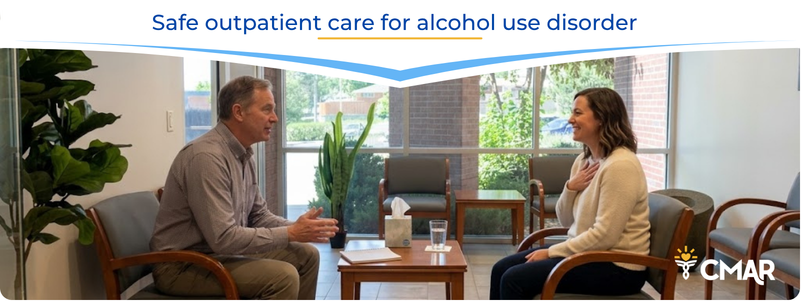
The Role of a Stable Home Environment
Medical clearance is only half of the required equation for success. A secure home environment is equally critical. You need a safe place to go after your clinic visits conclude, and a supportive family member or trusted friend who can check on you.
If your home life is highly chaotic or includes other active substance users, outpatient detox might not provide enough structure. But if your environment is stable, you can effectively maintain your daily routine with the medication assisted treatment Denver residents need. You keep your work schedule intact while receiving high-level medical oversight.
The Critical 72-Hour Monitoring Window
The most dangerous phase of alcohol withdrawal happens in the first few days. Physical symptoms typically peak within the first 72 hours. During this specific window, clinical monitoring is incredibly frequent. You’re never sent home to simply guess if you’re medically stable.
Tracking the Data
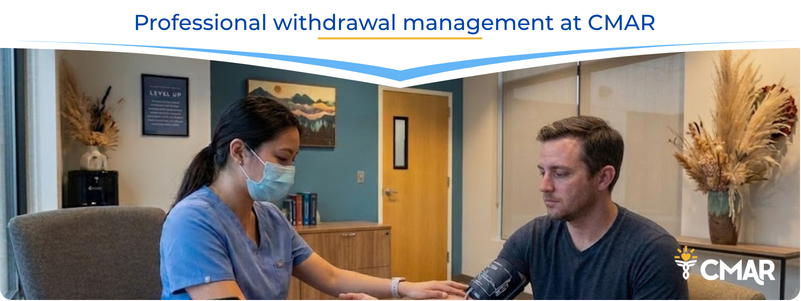
Clinical teams use structured assessments to track your progress and ensure absolute safety. This constant monitoring includes:
- Checking blood pressure and resting heart rate.
- Monitoring internal body temperature fluctuations.
- Using structured clinical scales for tremors and sweating.
- Tracking acute anxiety levels and overall sleep quality.
As your vitals stabilize, clinic visits become less frequent. The medical team watches the actual data trends to ensure your nervous system is calming down appropriately. You aren’t just handed a prescription and sent away. You’re actively monitored.
Taking the first step is hard enough without worrying about the cost. Take a moment to check your insurance benefits to securely explore your options.
Daily evaluations for the first 72 hours or so, since that’s when withdrawal peaks… As the numbers settle down, visits space out. Nobody’s guessing at home whether they’re okay. We’re watching the trend.
Modern Approaches to Managing Withdrawal Safely
Alcohol withdrawal causes a highly dangerous nervous system rebound. When you remove a biological depressant after prolonged use, your brain becomes hyperactive. This chemical hyperactivity is what causes shaking, panic, and potentially life-threatening seizures. It isn’t just a bad hangover. It’s a serious medical event.
Symptom-Based Tapering Protocols
To manage this neurological hyperactivity, medical providers utilize a medication taper. Specifically, they use medications that calm the central nervous system safely. This prevents the dangerous biological rebound effect without requiring you to consume alcohol.
The medication acts as a pharmacological bridge. It allows your brain receptors to slowly adjust to the absence of alcohol without sending your body into a state of acute shock.
Individualized Dosing Schedules
There’s no universal medication dosage that works for everyone. Expert clinicians dose directly off your active withdrawal scale, not a calendar. A person with a ten-year daily drinking history requires a completely different starting point than someone struggling for six months.
The medical team adjusts your medication daily based on exactly what your body shows them. If your heart rate elevates, the dosage is modified in real-time. This dynamic clinical approach ensures you remain physically comfortable and secure.
Bridging Detox and Therapy Simultaneously
Detox alone isn’t comprehensive addiction treatment. It simply gets the toxic substance out of your system. Clearing your biology does absolutely nothing to teach you how to cope with life once the alcohol is actually gone.
Moving Beyond Physical Stabilization
Many traditional programs wait until medical detox is complete before introducing behavioral counseling. This delay creates a massive, dangerous gap in care. Sending someone out the door with a medically cleared system but zero behavioral coping strategies is a well-known recipe for immediate relapse. The physical craving might be gone, but the psychological reliance remains entirely untreated.
Simultaneous Mental Health Support
An integrated treatment model introduces therapy while the medical process is actively happening. Before your vital signs fully normalize, a licensed therapist is already working with you. You begin exploring the psychological roots of your dependency immediately.
These early therapy sessions focus on highly practical, functional skills:
- Identifying environmental and emotional triggers that set off the drinking.
- Developing immediate, actionable alternative coping mechanisms.
- Building a structured daily routine for early sobriety.
- Addressing underlying anxiety or depression that alcohol was actively masking.
By addressing the mind and the body at the exact same time, you build a solid foundation for long-term recovery before the detox phase even concludes.
Most people picture inpatient the second they hear “detox,” a facility, time away from work and family. For a lot of people that’s not what’s needed, and honestly it’s the thing keeping people from calling at all.

Taking the Next Step with CMAR
Most families who call CMAR think the absolute only choice is between doing nothing and committing to a full inpatient hospital stay. Here’s what they actually find out when they speak with our team. A short, confidential phone assessment tells us exactly where you are medically, not where you’re afraid you are.
We match your specific level of care directly to your biological and clinical needs. If your home life is stable, our specialized outpatient program lets you safely break the physical cycle of dependency without vanishing from your family and career.
- Contact our confidential admissions team to complete a simple medical screening.
- Our team will evaluate your drinking history to determine if outpatient care is a safe option.
- Begin an integrated plan where therapy and medical stabilization happen simultaneously.
Clinical Perspectives: What the CMAR Process Actually Looks Like
Here is what the process looks like from the inside, straight from Michael Damioli clinical director.
1. What actually determines whether someone’s a good candidate for outpatient detox versus needing inpatient?
Two things, mainly. Medical safety comes first. I want to know how much someone’s been drinking, for how long, and what happened last time they stopped. Seizures, hallucinations, bad shakes? That history tells me more than what they’re drinking this week. Then there’s the home situation. Somewhere stable to go, someone who can check on them, a life that isn’t working against them. If the medical picture is mild to moderate and home is stable, outpatient usually works fine, and people keep their job and their routine while they do it.
2. What does the monitoring schedule actually look like in the first week?
Frequent, especially at the start. Daily evaluations for the first 72 hours or so, since that’s when withdrawal peaks. We check vitals: blood pressure, heart rate, temperature. We track symptoms too, using a structured scale for tremor, sweating, anxiety, and sleep. As the numbers settle down, visits space out. Nobody’s guessing at home whether they’re okay. We’re watching the trend.
3. What medications does CMAR typically use, and how do you decide dosing?
Usually a benzodiazepine taper. That class treats the same nervous system rebound that makes withdrawal dangerous, without needing someone to keep drinking to feel stable. There’s no fixed dose for everyone, though. I dose off the withdrawal scale, not a calendar. Someone with a longer drinking history needs a different starting point than someone earlier in it, and we adjust as we go based on what their body shows us.
4. What makes CMAR’s integrated therapy model different?
Detox alone gets the alcohol out of someone’s system. It doesn’t teach them how to live without it. So counseling starts while the medical piece is happening, not after. A therapist is already working with the patient before the numbers even normalize, on what they reach for instead, what set off the drinking in the first place. Waiting until detox finishes to start that conversation means sending someone out the door with nothing else in place.
5. What’s the biggest misconception patients have when they call?
That they have to be falling apart to qualify, or that stopping means vanishing from their life for weeks. Most people picture inpatient the second they hear “detox,” a facility, time away from work and family. For a lot of people that’s not what’s needed, and honestly it’s the thing keeping people from calling at all. A short phone assessment tells us where someone actually is medically, not where they’re afraid they are.
Frequently Asked Questions
Yes. Outpatient alcohol detox is highly safe for individuals with mild to moderate withdrawal risks. Medical professionals conduct a thorough assessment of your exact drinking history and previous withdrawal experiences. You receive frequent clinical monitoring and real-time medication adjustments to keep your nervous system completely stable at home.
The acute medical detox phase typically lasts between three and seven days. Severe symptoms usually peak within the first 72 hours. Your specific timeline depends entirely on your personal drinking history and exactly how your body responds to the medication taper. Monitoring continues until your vital signs consistently normalize.
Many people successfully maintain their work schedules during an ambulatory detox program. Because the prescribed medication actively prevents severe withdrawal symptoms, you can often function normally. However, you need a flexible schedule for the first few days to accommodate daily medical check-ins and vital sign monitoring at the clinic.
Detox is only the first step in recovery. After the physical withdrawal phase ends, you transition immediately into comprehensive clinical care. This includes ongoing individual therapy, group counseling, and psychiatric support if needed. Continuing treatment is necessary for learning how to manage emotional cravings and prevent future relapses over time.