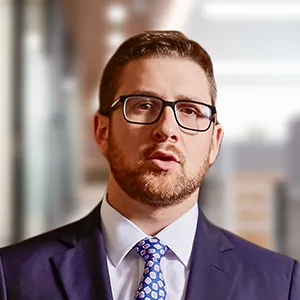
When people search for medication-assisted treatment in Colorado, they are often trying to answer one loaded question first: Is MAT real recovery or just a substitute? At CMAR, Michael Damioli, COO and Chief Clinical Officer, explains that the better question is whether treatment helps someone become safer, more stable, and more functional in daily life.
CMAR builds MAT into a broader outpatient model that combines addiction medicine, therapy, psychiatry, case management, peer support, and continued care planning. That coordinated structure matters because recovery is rarely about a single service. It usually takes support from multiple directions at once.

Why MAT Gets Misunderstood
A lot of hesitation around medication-assisted treatment in Colorado starts with stigma. Damioli addresses that directly. He explains “the difference between substance abuse and substance dependency” and notes that dependence on a medication is not the same thing as addiction. His example is simple and clear.
“A diabetic is dependent on insulin, but that doesn’t mean that they’re addicted to it.” That framing helps cut through one of the most common objections to a MAT program in Denver. Damioli says the real difference is whether a substance is making life less manageable or more manageable.
In his words, treatment should move someone “from a drug that we’re addicted to, something that’s causing us issues with our family and issues with our lives, to something that we are dependent on that’s helping us be more functional with our lives.”
What Recovery-Oriented MAT Includes At CMAR
CMAR does not present MAT as a stand-alone fix. It is part of a larger outpatient addiction treatment model in Colorado built around coordination. Damioli keeps coming back to the same core idea. “The core of our treatment model is around structure, accountability, and support.”
That structure can include several pieces working together across the week:
- Medication management in recovery
- Individual therapy
- Group therapy
- Psychiatric support
- Case management
- Peer support and alumni connection
- Continued care planning
This is where recovery-oriented MAT becomes different from a medication-only approach. Damioli explains that group treatment includes psychoeducation and peer processing, while individual therapy gives clients room to work through personal issues, trauma, and other barriers to recovery. He also describes case management as support for life problems outside the therapy room, including housing, work, education, and family stress.
That integrated design matters to readers trying to understand how outpatient detox works or how someone moves from stabilization into a more comprehensive outpatient recovery program. CMAR’s model is meant to connect those phases rather than treat them as separate tracks.
Why Therapy Still Matters When Symptoms Improve
One of the biggest misconceptions around medication-assisted treatment in Colorado is the idea that once cravings drop, the hard part is over. Damioli makes it clear that symptom relief is only one piece of recovery. People still need new ways to cope, communicate, regulate emotions, and respond to stress without returning to substance use.
- Drugs and alcohol are ineffective long-term coping skills, but clients often over-rely on them as short-term coping skills
- Therapy combined with Medication-Assisted Treatment (MAT) is crucial
- Medication reduces cravings or withdrawal distress
- Counseling helps people build necessary life skills for sustained recovery
- Group work focuses on coping skills, emotional regulation, and interpersonal conflict
- Individual therapy delves deeper into traumas, Other personal issues that affect stability and engagement
For people stepping into an outpatient recovery program, that combination can make the difference between early improvement and lasting progress.
Why Combining Medical And Clinical Support Often Works Better
Damioli is direct about the value of integrated addiction treatment. “Research shows and our experience shows, that doing both at the same time increases our odds.” He is talking about medication plus counseling, but the same logic applies to the rest of the treatment plan. The more coordinated support someone has, the more likely they are to keep moving forward.
He also warns against viewing recovery too narrowly. Abstinence matters, but it is not the only outcome that counts. When asked how he knows treatment is working, he says providers also look at “general functionality in life.” That includes questions like:
- Are they happier and more content
- Are relationships improving?
- Are they showing up better at work
- Is physical health getting better
- Are they more engaged in community and recovery support
That broader view lines up with research on recovery from substance use disorders. It also helps explain why CMAR emphasizes integrated care instead of a one-service model. Recovery is not just about reducing use. It is about helping someone live better across the rest of life, too.
MAT Fits Into A Full Continuum, Not A Shortcut
For some clients, medication support begins during at-home drug detox or other outpatient withdrawal management services. Damioli explains that CMAR often sees alcohol, benzodiazepine, and opioid cases in that setting, with medical monitoring guiding what is appropriate and safe.
He is careful about risk, especially when it comes to substances with dangerous withdrawal profiles, a point also reflected in CMAR’s education on the stages of the alcohol withdrawal timeline. But he also makes a larger point about what happens after stabilization. “The longer somebody stays in treatment, I think the better outcomes we typically see.”
- Recovery takes time, repetition, and habit change.
- Brain changes take time, take time to form new habits.
- Medication-assisted treatment (MAT) should be understood as part of a continuum, not a shortcut.
- MAT can help calm the physical side of addiction.
- Ongoing treatment helps people build recovery into everyday life.

What Recovery-Oriented MAT Really Means
At CMAR, recovery-oriented MAT means medication supports the recovery process without replacing the recovery process. Damioli’s language stays grounded in real outcomes, more stability, better functioning, more support, and a greater chance of sustained change. Medication matters, but so do therapy, psychiatry, case management, peer support, and time in treatment.
That is the clearer way to understand medication-assisted treatment, Colorado. It is not about swapping one problem for another. It is about giving people a coordinated plan that helps them function, participate, and heal. For someone looking at outpatient rehab Denver options, that full-picture model is what makes MAT recovery-oriented in the first place.