Detoxing from alcohol completely alone at home is rarely safe due to the unpredictable risk of severe medical complications like seizures or delirium tremens. Safe detoxification requires a formal professional screening to accurately evaluate your physiological risk level.
While mild withdrawal can occasionally be managed remotely under strict medical supervision, moderate to severe cases require immediate professional intervention, such as from Colorado Medication Assisted Recovery.
A brief ten-minute phone assessment with a clinician is the only reliable way to determine if a home-based outpatient approach is safe for your situation.
The Clinical Risks of Unsupervised Withdrawal
When evaluating whether you can detox from alcohol at home, you must look at the underlying medical science rather than unverified internet advice. Abruptly stopping alcohol causes immediate central nervous system hyperexcitability, which can lead to severe physical complications.
- Sudden Escalation: Mild symptoms like anxiety and insomnia can rapidly transform into full-body seizures within hours.
- Severe Physical Strain: Unmanaged withdrawal causes dangerous spikes in blood pressure and heart rate, increasing acute cardiac risks.
- Delirium Tremens: This critical condition causes profound confusion, vivid hallucinations, and dangerous body temperature fluctuations.
- Unpredictable Timelines: Knowing how long alcohol withdrawal lasts helps map the general window, but tracking days from home cannot prevent acute neurological stress.
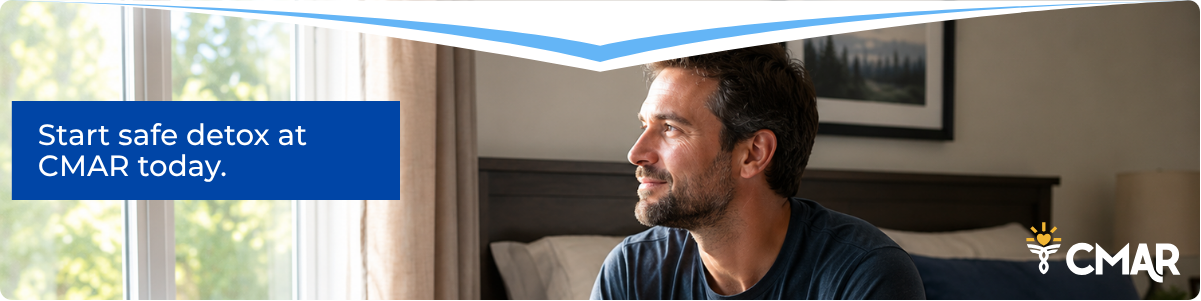
CMAR Treatment Programs
Choosing the appropriate level of clinical care is vital to maintaining physical safety. Rather than attempting a hazardous cold-turkey detox, individuals can access structured professional programs tailored to their specific medical risks and schedules.
| CMAR Program | Structure and Clinical Focus | Ideal Candidate Baseline |
| Outpatient Detox Program | Daily clinic visits for vital tracking and medical stabilization while living at home. | Dual diagnosis care manages psychiatric conditions alongside addiction recovery. |
| Partial Hospitalization (PHP) | Intensive daily therapy hours during the daytime as an alternative to residential stay. | Individuals leaving acute detox who require structured daytime stabilization. |
| Intensive Outpatient (IOP) | Flexible weekly therapy hours, group sessions, and relapse prevention strategies. | Working professionals or students maintaining full-time daily obligations. |
| Medication-Assisted Treatment (MAT) | Medical appointments for anti-craving prescriptions to stabilize brain chemistry. | Individuals seeking ongoing protection against alcohol or opioid relapse. |
| Mental Health Treatment | Dual diagnosis care managing psychiatric conditions alongside addiction recovery. | Individuals experiencing co-occurring mental health disorders like anxiety or depression. |
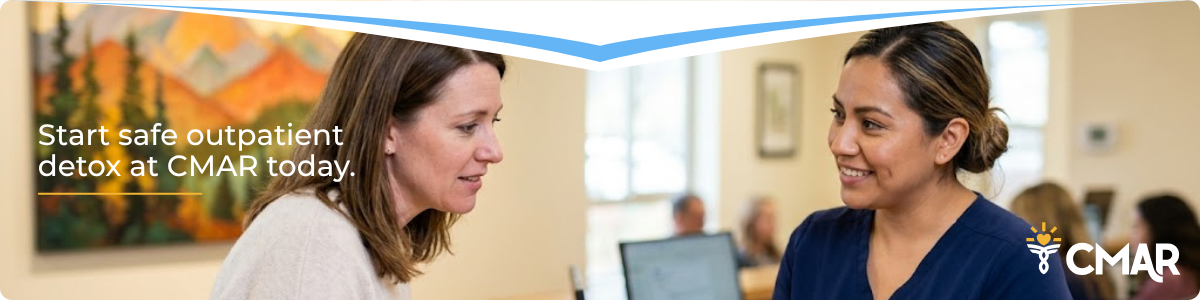
Safe and Accessible Outpatient Medical Supervision
Modern medical protocols remove the primary barriers to professional addiction care, providing a secure clinical alternative to inpatient hospitalization.
- The Clinical Middle Ground: Using a professional outpatient detox framework allows you to maintain medical accountability during the day while sleeping in your own bed.
- Neurological Stabilization: These programs systematically utilize professional medication-assisted treatment denver models to counter the chemical imbalances caused by dependency.
- Financial Accessibility: Outpatient care is significantly more affordable because you do not pay for overnight residential facility boarding, hospitality staffing, or institutional meals.
- Immediate Risk Assessment: A simple 10-minute phone consultation with an intake specialist clears away confusion, giving you an evidence-based answer about whether a home-based medical plan is safe for your body.
Balancing Personal Autonomy with Clinical Safety
Making the decision to stop drinking is a significant step toward recovery, but physical safety must always remain your top priority. Unsupervised withdrawal presents serious, unpredictable medical risks that are entirely preventable with structured professional support.
Choosing a personalized outpatient program or a specialized medication-assisted framework allows you to stabilize safely while maintaining your daily life. Comprehensive, individualized guidance is available through Colorado Medication-Assisted Recovery to help you determine the safest possible next step for your health.
Frequently Asked Questions About Alcohol Detoxification
Can you stop drinking alcohol cold turkey without medical help?
Stopping alcohol cold turkey without professional oversight introduces severe medical vulnerabilities. Abrupt cessation forces immediate central nervous system hyperexcitability, which frequently leads to dangerously high blood pressure, extreme cardiac strain, or life-threatening grand mal seizures.
What medications are used during outpatient alcohol detox?
Outpatient medical detox protocols utilize specific, evidence-based prescription medications to control uncomfortable withdrawal symptoms and neutralize severe health risks. Medical directors frequently prescribe long-acting benzodiazepines to control neurological tremors and eliminate seizure activities, while simultaneously implementing specialized medications to reduce ongoing psychological cravings and stabilize vital signs during early sobriety.
How do I know if my alcohol withdrawal symptoms are severe?
Severe alcohol withdrawal is distinguished by profound cognitive confusion, visual or auditory hallucinations, extreme physical agitation, and sudden generalized seizures.
Is outpatient detox more affordable than inpatient rehab?
Outpatient detoxification models significantly reduce the financial barriers to professional addiction care by eliminating the substantial costs associated with overnight hospital beds, residential facility boarding fees, and round-the-clock non-medical staffing.